Expert analysis of Lucian Freud’s Head of a Child
Style: Expressionism · Genre: portrait
Expert Analysis of "Head of a Child" by Lucian Freud
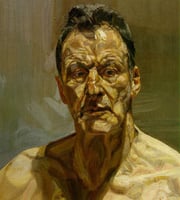
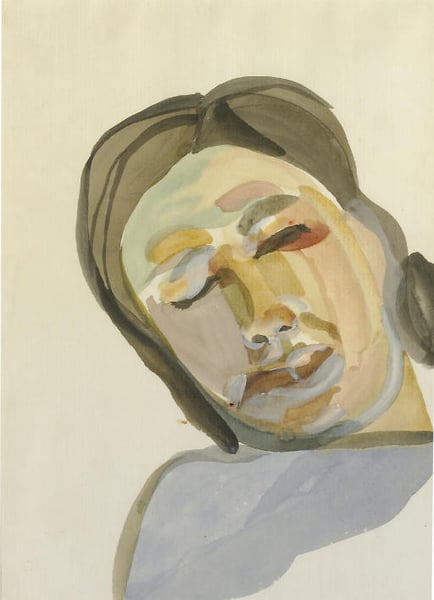
Lucian Freud’s Head of a Child is a striking example of how Expressionist portraiture can transform a seemingly simple subject into a profoundly psychological study. Although Freud is best known for his unflinching, hyper-realistic nudes and portraits, this work aligns with Expressionism through its intense emotional charge and distortion of form in service of inner truth.
Key Characteristics and Significance:
- Psychological Rawness: Freud’s approach to a child’s portrait defies conventional sentimentality. The thick, layered brushwork and muted, earthy palette convey a sense of vulnerability and introspection. The child is not idealized; instead, Freud captures a moment of quiet defenselessness, emphasizing the universal fragility of youth.
- Expressive Brushwork and Texture: The painting’s surface is built up with dense, tactile strokes that seem to record the artist’s physical engagement with the subject. This impasto technique—a hallmark of Freud’s mature style—adds a sculptural quality, while the visible marks underscore the tension between representation and abstraction.
- Emotional Intensity Over Likeness: Unlike traditional portraiture, which seeks a faithful likeness, Freud prioritizes emotional resonance. The child’s features may be slightly distorted or asymmetrical, reflecting the artist’s belief that truth lies not in photographic accuracy but in the unguarded moment. This aligns with Expressionism’s goal of conveying subjective experience over objective reality.
- Historical Context: Freud’s work bridges figurative realism and expressionistic expression. Head of a Child exemplifies his departure from the polished portraiture of his predecessors, such as his grandfather Sigmund Freud, and his embrace of a more raw, confrontational aesthetic. It stands as a testament to his ability to find profundity in the most ordinary of subjects—a child’s face—and to imbue it with a haunting, timeless weight.
In summary, Head of a Child is significant because it demonstrates how Expressionist techniques can elevate a genre (portrait) to a meditation on human vulnerability. Freud’s manipulation of texture, color, and form forces the viewer to look beyond the surface and confront the unsettling, often overlooked emotional complexity of childhood.
Visually similar
20 works with related composition and palette
Sin título
Joy Hester
Unión de cabezas
Joy Hester
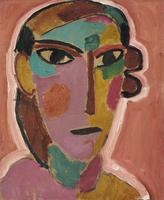
Mystischer Kopf: Frauenkopf auf rotem Grund
Alexej von Jawlensky
Image
Vilen Barsky
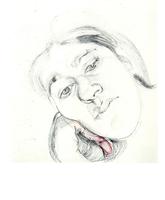
Annabel
Lucian Freud
Two Heads
Vlada Ralko
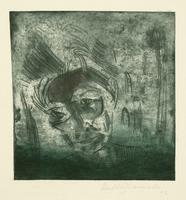
Etching from the series "The Face"
Walter Gramatté
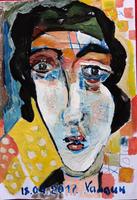
The game ... the tic-tac-toe
Chaldin Alex
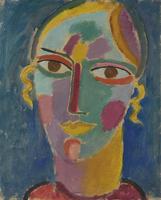
Mystischer Kopf: Frauenkopf auf blauem Grund
Alexej von Jawlensky
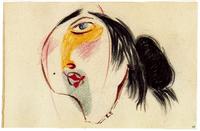
Sirene
Enrico Prampolini
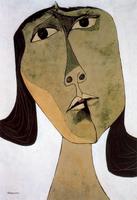
Homenaje a Tania nº 1
Oswaldo Guayasamin
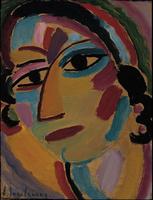
Mystical Head
Alexej von Jawlensky
La femme en mauve
Aurel Cojan
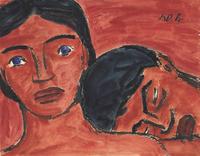
Liebe
Werner Berg
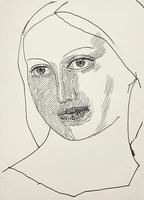
Female image
Hryhorii Havrylenko
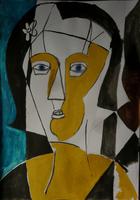
Nina
Chaldin Alex
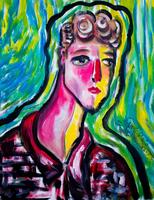
Untitled
Mikey William Cheung
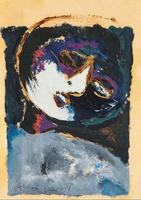
Anna Margit, Női Fej.
Anna Margit
Czóbel Béla Fej
Bela Czobel
Head of a Woman
Andre Derain