
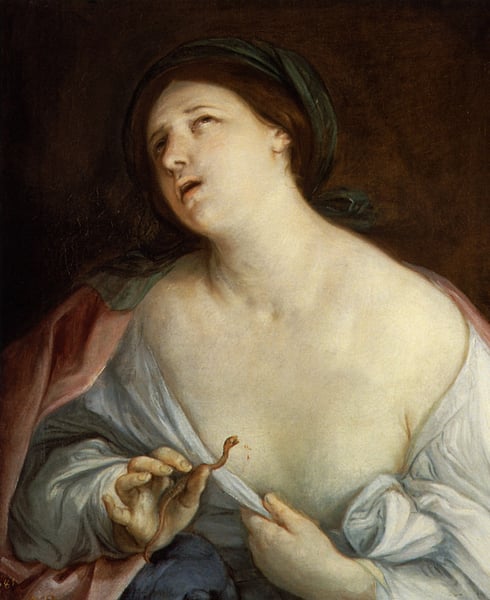
Expert analysis of Guido Reni’s Cleopatra
Style: Baroque · Genre: history painting
Expert Analysis of "Cleopatra" by Guido Reni
Given the structured facts—Baroque style, history painting, and the subject of Cleopatra—this artwork’s significance lies in how Reni exemplifies the Baroque approach to historical narrative while infusing it with his distinctive classicizing elegance.
Baroque History Painting Context
Baroque history painting demanded powerful emotional engagement, theatrical composition, and clear storytelling. Reni’s Cleopatra meets these criteria by focusing on a pivotal moment of high drama: the queen’s suicide. Rather than emphasizing violent realism (as Caravaggio might), Reni uses refined chiaroscuro, balanced composition, and idealized beauty to evoke pathos and dignity. This aligns with the Baroque’s goal of moving the viewer, but through grace rather than shock.
Significance Within Reni’s Oeuvre and Period
Reni was a leading figure of the Bolognese School and a master of Baroque classicism. His Cleopatra is notable for its serene, almost sorrowful expression—a contrast to the gruesome subject. This restraint highlights the Baroque interest in psychological depth and the tension between mortality and nobility. The painting also demonstrates Reni’s signature soft modeling and luminous palette, which influenced later Baroque and Rococo artists.
Why It Matters
The work is a prime example of how Baroque history painting could blend heightened emotion with classical harmony. Reni’s Cleopatra is not merely a historical figure but an icon of tragic beauty, embodying the period’s fascination with powerful women, moral lessons, and the intersection of art and rhetoric. Its enduring fame rests on this synthesis of dramatic narrative and refined aesthetics—a hallmark of the Baroque at its most lyrical.
Visually similar
20 works with related composition and palette
Cleopatra
Guido Reni
The Suicide of Lucretia
Guido Reni
Death of Cleopatra
Guido Reni
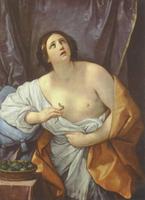
Cleopatra
Guido Reni
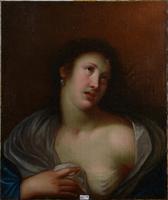
Vénus
Gortzius Geldorp
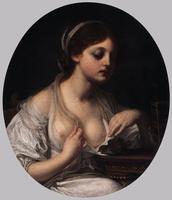
Girl with Birds
Jean-Baptiste Greuze
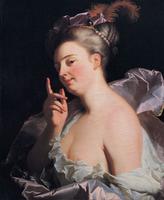
La Menasseuse
Hyacinthe Rigaud
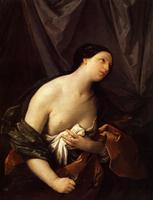
Lucretia
Guido Reni
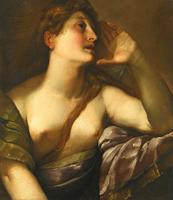
Study of a Female Figure Facing Right (Penitent Magdalene)
Giulio Cesare Procaccini
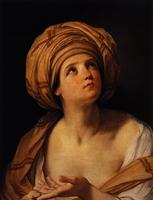
Sibylle
Guido Reni
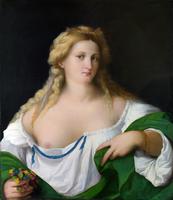
A Blonde Woman
Palma Vecchio
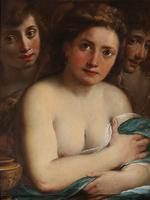
Mary Magdalen with Saint John the Baptist and An Angel
Giulio Cesare Procaccini
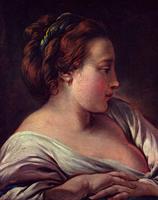
Woman's Head
Francois Boucher
Girl with a Dove
Antoine Pesne
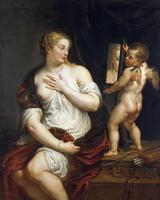
Venus and Cupid
Peter Paul Rubens
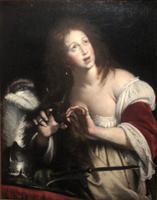
Berenice
Bernardo Strozzi
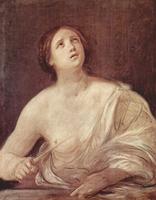
Suicide of Lucretia
Guido Reni
maddalena
Domenico Fiasella
Bildnis Einer Dame in Antikisierendem Gewand
Ludovico Stern
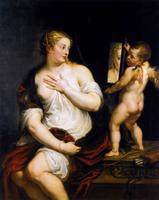
Venus at her Toilet
Peter Paul Rubens