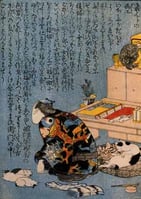
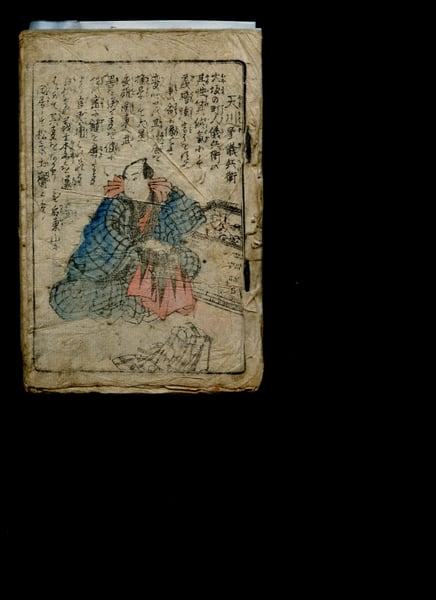
Dipicting the characters from the Chushingura
Expert analysis of Utagawa Kuniyoshi’s Dipicting the characters from the Chushingura
Style: Ukiyo-e · Genre: illustration
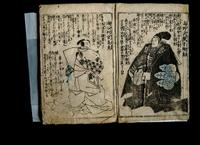
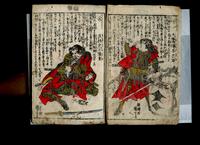
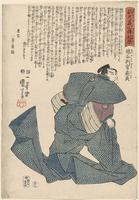
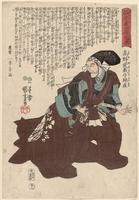
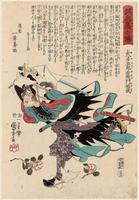
This artwork, Depicting the Characters from the Chushingura, by the renowned ukiyo-e master Utagawa Kuniyoshi, stands as a striking example of how the floating world print tradition could merge historical drama with bold graphic innovation. The subject draws from the beloved and oft-retold story of the 47 Ronin (the Chushingura), a true tale of honor, revenge, and loyalty that had already become a staple of kabuki theater and woodblock prints before Kuniyoshi turned his hand to it.
What makes Kuniyoshi’s interpretation significant lies in his departure from a literal narrative scene. Instead of illustrating a single dramatic moment from the vendetta, he synthesizes the entire cast of characters—likely the core ronin—into a single, dynamic composition. This approach reflects Kuniyoshi’s genius for musha-e (warrior prints), where he often employed unconventional poses, vivid color contrasts, and a keen sense of movement that gives even static figures a feeling of impending action.
The print is also notable for its compositional tension. Kuniyoshi frequently arranged figures in swirling, overlapping patterns that mimic the chaos of battle, yet here he balances that energy with the stoic faces of the ronin, capturing both their ferocity and their resolve. The use of deep indigos, crisp outlines, and accents of red and black (a hallmark of ukiyo-e printing) heightens the dramatic weight of the subject.
Within the ukiyo-e tradition, this work exemplifies the shift from purely scenic or beautifying imagery toward a more narrative, almost cinematic storytelling style—a trend Kuniyoshi helped pioneer. It also demonstrates his signature integration of kabuki theatricality: the characters’ exaggerated expressions and posed stances directly reference stage conventions, such as the mie (climactic pose) of a hero.
Ultimately, this print is significant not only as a representation of a national epic but as a testament to Kuniyoshi’s ability to condense an entire moral saga into a single, visually arresting image—one that honors the ronin’s legendary loyalty while pushing the boundaries of the woodblock medium.
Genre
Style
Visually similar
20 works with related composition and palette
Dipicting the characters from the Chushingura
Utagawa Kuniyoshi
Dipicting the characters from the Chushingura
Utagawa Kuniyoshi
Dipicting the characters from the Chushingura
Utagawa Kuniyoshi
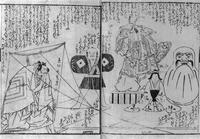
Page from Shotōzan Tenarai Hōjō in Which a Picture by Sharaku Appears on a Kite
Tōshūsai Sharaku
Dipicting the characters from the Chushingura
Utagawa Kuniyoshi
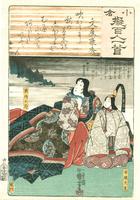
Young Emperor
Utagawa Kuniyoshi
Neve, the moon is chilling
Utagawa Kuniyoshi
Portrait of Utagawa Kunisada
Utagawa Kunisada II
Takasago Beach
Toyota Hokkei
Portrait of Sawamura Sojūro IV
Utagawa Toyokuni
En'ya Hangan Takasada
Utagawa Kuniyoshi
Kôno Musashi no Kami Moronao
Utagawa Kuniyoshi
Cherry blossom viewing during the Genroku period
Toyota Hokkei
Nine tailed fox Tamamo no Mae, under her beautiful human form (down)
Utagawa Kuniyoshi
Carpenter (Banjo), from the series Ten Kinds of People (Jinbutsu jûban tsuzuki)
Toyota Hokkei
Gale to Asajigahara
Katsushika Hokusai
Kôteiken
Utagawa Kuniyoshi
Mountain Witch
Toyota Hokkei
Tokaido 53 Stations, Station #44, Yokkaichi
Utagawa Kunisada
Yata Gorôemon Suketake
Utagawa Kuniyoshi