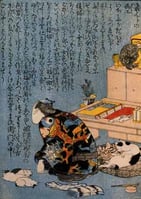
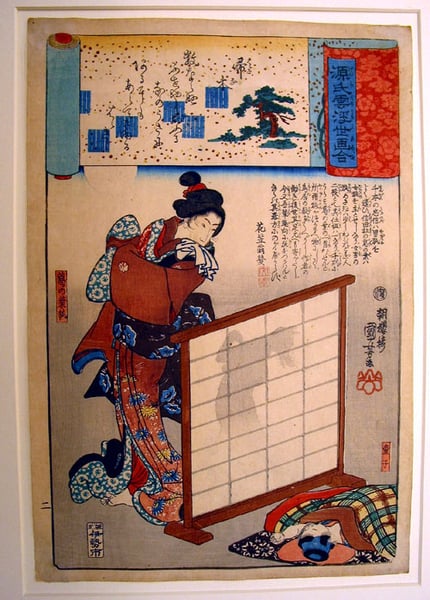
Kuzunoha
Analisi esperta di Kuzunoha di Utagawa Kuniyoshi
Stile: Ukiyo-e · Genere: portrait
Expert Analysis of "Kuzunoha" by Utagawa Kuniyoshi
As an ukiyo-e portrait within the Ukiyo-e tradition, Kuniyoshi’s "Kuzunoha" is significant for its masterful fusion of supernatural folklore with the refined elegance of the bijinga (beautiful woman) genre. While the supplied facts limit the discussion to style and genre, several key points elevate this work:
-
Genre Innovation: Kuniyoshi was renowned for expanding ukiyo-e beyond conventional beauties and actors, infusing ghost stories, legends, and warrior themes into portraiture. Kuzunoha—the fox-wife from the "Kuzunoha" kabuki and folktale—exemplifies this blend. The portrait likely captures her dual nature: the serene, aristocratic woman hinting at her vulpine origins (often shown with a trailing fox tail or subtle animal features). This ambiguity makes the portrait psychologically compelling, a departure from static idealized beauty.
-
Technical Virtuosity: Kuniyoshi’s characteristic use of bold outlines, dramatic color contrasts, and expressive linework (influenced by Chinese painting and Western perspective) gives the figure a dynamic, almost theatrical presence. The kimono patterns, often meticulously detailed, reveal his skill in integrating narrative symbolism—such as autumn leaves or fox motifs—tying the portrait directly to the Kuzunoha legend.
-
Cultural Significance: Within ukiyo-e portraiture, Kuzunoha represents a shift toward narrative depth in depicting supernatural beings. Unlike typical bijinga emphasizing sensuality or fashion, Kuniyoshi’s portrait invites viewers to contemplate themes of loyalty, deception, and transformation—hallmarks of his most enduring works. This piece thus stands as a bridge between the decorative traditions of ukiyo-e and the more psychologically nuanced mono no aware (pathos of things) that defines later Japanese art.
In summary, "Kuzunoha" is significant as a genre-defying ukiyo-e portrait that elevates folkloric subject matter through technical mastery and emotional resonance, reinforcing Kuniyoshi’s legacy as a pioneer of narrative complexity within the floating world.
Visivamente simili
20 opere con composizione e palette affini
Yoshiwara
Utagawa Kunisada
A portrait of the courtesan Kashiko of Tsuruya
Keisai Eisen
Upper Class
Kitagawa Utamaro
Osagawa Tsuneyo II as the hairdresser O-Roku
Tōshūsai Sharaku
Scene light district of Yoshiwara
Katsushika Hokusai
The Courtesan Hitomoto of the Daimonjiya House
Keisai Eisen
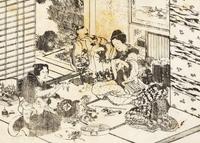
Three women and two children
Katsushika Hokusai
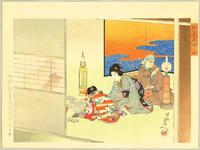
Playing Cards - Fuku Zukushi
Toyohara Chikanobu
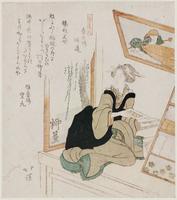
Toothbrush Seller, from the series Ten Kinds of People (Jinbutsu jûban tsuzuki)
Toyota Hokkei
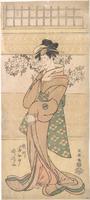
Actor Segawa Tomisaburo II as the Geisha Asaka
Tōshūsai Sharaku
Toyooka of the Okamotoya
Keisai Eisen
Snow
Torii Kotondo
Women
Utagawa Kuniyoshi
Flower Arranging and Tea Ceremony
Toyohara Chikanobu
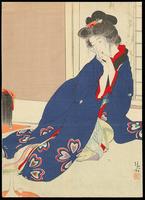
Scarlet Peach
Kiyokata Kaburagi
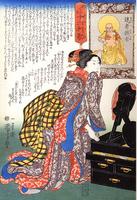
Women
Utagawa Kuniyoshi
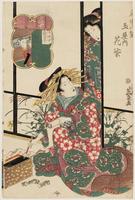
Hanamurasaki of the Tamaya, from the series Eight Views of the Pleasure Quarters (Kuruwa hakkei)
Keisai Eisen
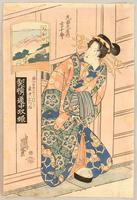
Mitate Yoshiwara Goju-san Tsui - Beauty
Keisai Eisen
Seki: Shiratama of the Sano-Matsuya
Keisai Eisen
Kuwana
Katsushika Hokusai