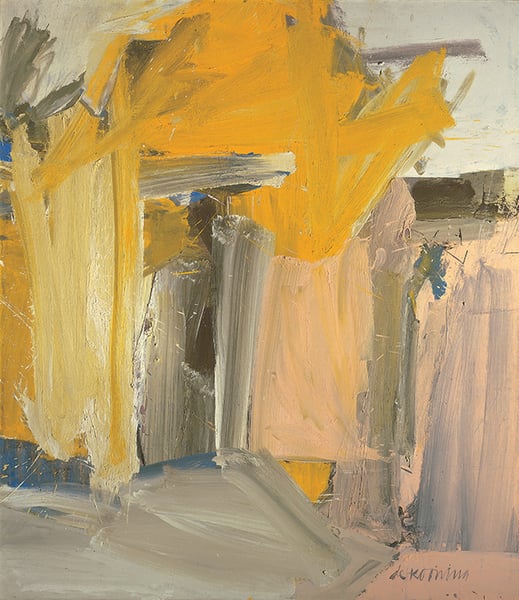
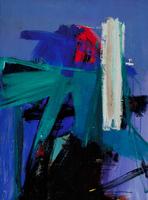
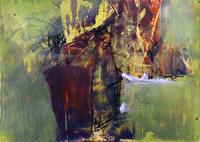
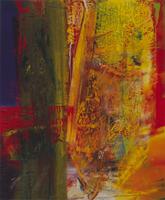
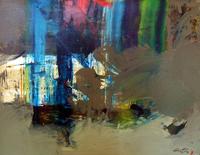
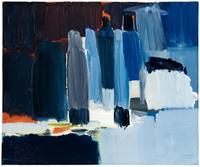
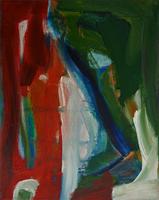
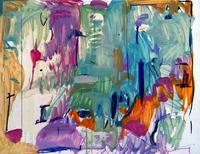
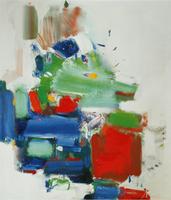
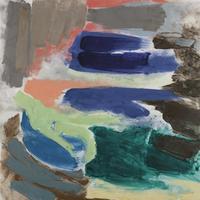
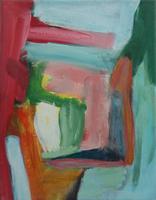
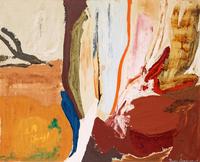
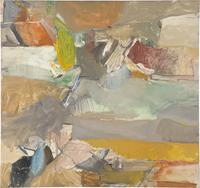
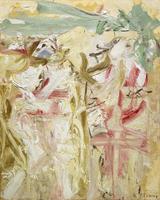
Based solely on the provided facts—Willem de Kooning's "Door to the River," classified as Abstract Expressionism and genre abstract—the work’s significance lies in how it exemplifies key tensions within the movement. As an abstract piece by a leading Abstract Expressionist, it likely focuses on vigorous gesture and the transformation of landscape or bodily forms into pure painterly structure. The title itself suggests a threshold between interior and exterior, a common theme in de Kooning's work that bridges figuration and abstraction. Without additional details, its significance is tied to its role within the canon: a mature example of how Abstract Expressionism could merge emotional intensity with a sense of spatial depth, all while remaining true to the non-representational ethos of the genre.