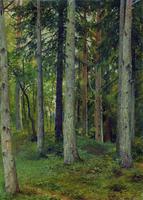
Expert Analysis of "Sunset in the Forest" by Arkhyp Kuindzhi
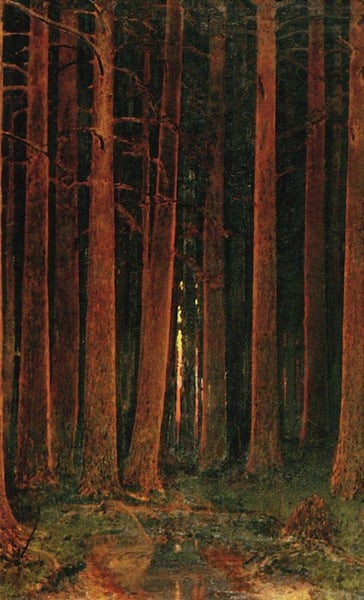
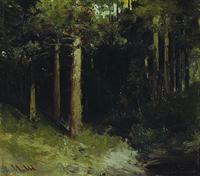
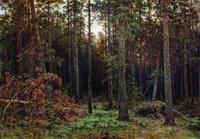
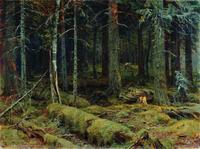
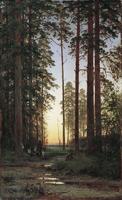
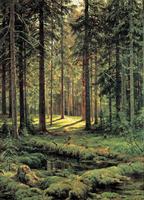
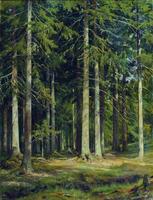
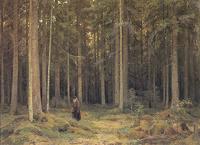
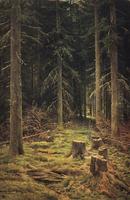
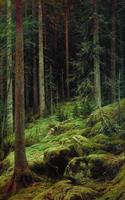
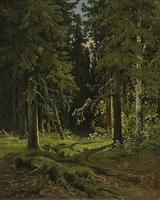
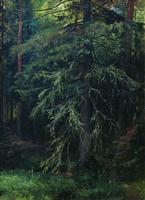
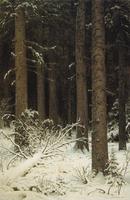
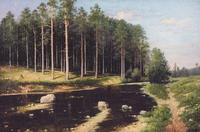
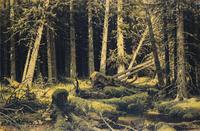
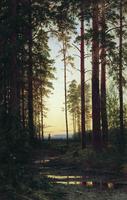
Arkhyp Kuindzhi’s Sunset in the Forest stands as a masterful example of Russian Realist landscape painting, yet it transcends mere documentation to become a study in luminous atmosphere and emotional resonance. While firmly rooted in the Realist tradition—faithfully rendering the dense textures of woodland, the play of light through leaves, and the earthy palette of a forest interior—Kuindzhi pushes the style toward a heightened, almost poetic perception of nature.
The painting’s significance lies in its revolutionary treatment of light. Kuindzhi was renowned for his ability to capture the fleeting, transformative moments of dusk, and here he uses the sunset’s golden glow to dissolve the forest’s solid forms into shimmering, atmospheric veils. The realism is not a cold copy of nature but a selective emphasis on the optical effects of color and contrast—the warm oranges and yellows of the setting sun cutting through deep shadows, creating a sense of depth that feels both tangible and dreamlike. This approach prefigures later Symbolist and even early Modernist interests in subjective perception, all while maintaining the compositional clarity of Realist landscape.
Moreover, Kuindzhi’s work is significant for how it elevates a simple, unremarkable forest scene into a meditation on the sublime. The viewer is not shown a grand vista but an intimate, almost enclosed space, yet the drama of the sunset transforms it into a moment of profound stillness and wonder. This ability to find the monumental in the everyday was a hallmark of Kuindzhi’s best landscapes, and Sunset in the Forest exemplifies the emotional power that Realist painting could achieve when guided by a masterful sensitivity to light and mood.