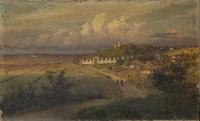
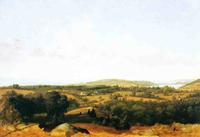
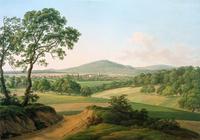
Expert Analysis of "View of the Outskirts of Moscow with a Manor and Two Female Figures" by Aleksey Savrasov
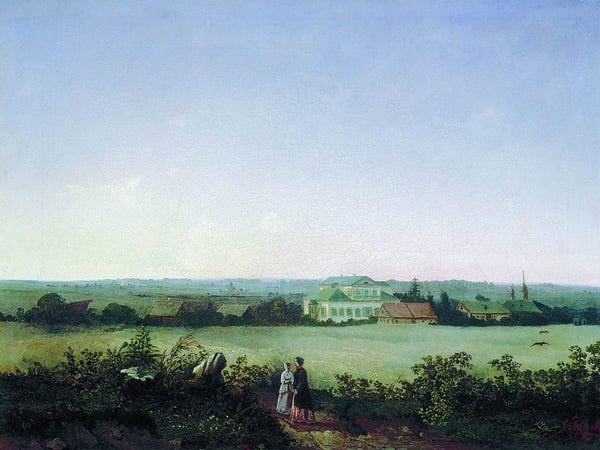
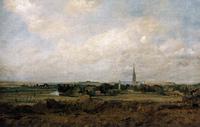
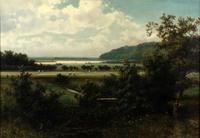
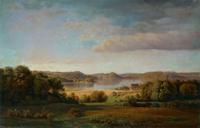
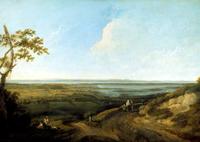
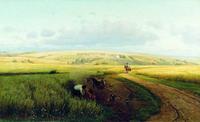
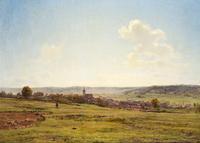
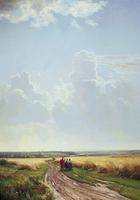
This work is a quintessential example of Realism applied to the landscape genre, and its significance lies in how it elevates a seemingly mundane, everyday scene into a subject of artistic and emotional weight. By focusing on the outskirts of Moscow—neither the grand city center nor the pristine countryside—Savrasov captures a transitional, liminal space that was central to the Realist agenda of depicting life as it truly was, without idealization.
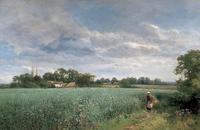
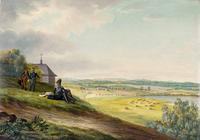
The presence of two female figures is crucial: they are not heroic or mythological, but ordinary people integrated into the landscape. This inclusion grounds the scene in lived experience, emphasizing the human relationship with the environment. The manor itself, likely a modest country estate, reinforces the theme of unpretentious rural life.
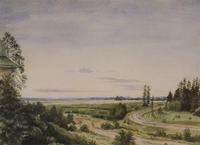
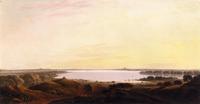
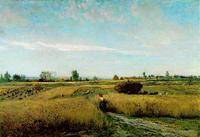
Within the Realist movement, Savrasov's approach here is significant for its quiet, lyrical observation. Rather than seeking dramatic vistas, he finds poetry in the flat, open expanses and subtle atmospheric effects of the Moscow periphery. This work exemplifies how Realist landscape painting moved beyond mere topographical record to become a vehicle for expressing the authentic, unvarnished character of a place and its inhabitants—a hallmark of Savrasov’s contribution to the Russian Realist tradition.