Expert analysis of Vasily Vereshchagin’s Two Jews
Style: Realism, Orientalism · Genre: genre painting
Expert Analysis of "Two Jews" by Vasily Vereshchagin
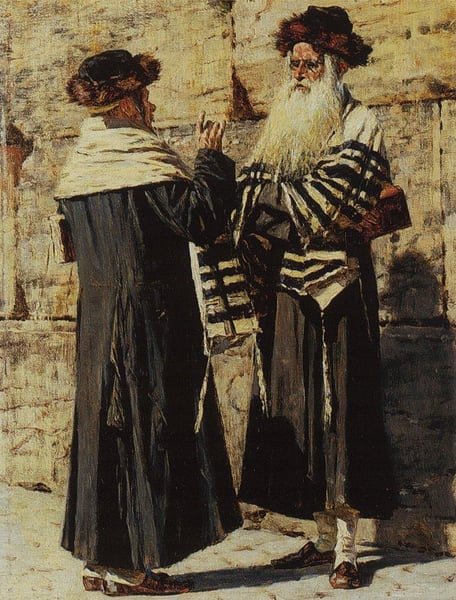
Vasily Vereshchagin’s "Two Jews" is a compelling example of how Realism and Orientalism intersect in 19th-century genre painting. While Vereshchagin is best known for his unflinching war scenes, this work demonstrates his broader commitment to documenting the human condition with ethnographic precision and empathetic observation.
Significance within Realism: As a realist, Vereshchagin rejected romanticized or heroic conventions. Here, he applies that same objective eye to everyday life: the two Jewish figures are rendered with meticulous attention to texture, posture, and expression, avoiding caricature. Their weathered faces, worn clothing, and direct gazes ground the painting in a tangible social reality. This aligns with Realism’s goal of portraying ordinary people—often marginalized groups—with dignity and truth.
Significance within Orientalism: Orientalist art frequently exoticized or stereotyped non-Western subjects. Vereshchagin subverts this tendency. Instead of offering a picturesque or sensualized image of “the East,” he presents a quiet, intimate study of two individuals. Their modest, introspective demeanor challenges the era’s tendency to depict Jewish people as either pathetic wanderers or sinister outsiders. By focusing on a mundane moment of companionship, Vereshchagin humanizes his subjects, making the painting a subtle critique of both Orientalist clichés and contemporary anti-Semitic tropes.
Genre Painting as Social Document: As a genre scene, "Two Jews" functions as a visual record of daily life. The lack of dramatic action or exotic setting forces the viewer to engage with the persons themselves. This reflects Vereshchagin’s wider artistic philosophy: art should inform, not merely decorate. The painting’s quiet power lies in its refusal to sensationalize—it simply shows, letting the viewer confront the humanity of people often rendered invisible in art.
In summary, the work is significant for its naturalistic treatment of an Orientalist subject, its dignified portrayal of Jewish identity within a genre context, and its demonstration of how Realism could be used to subtly challenge prevailing stereotypes while maintaining documentary accuracy.
Visually similar
20 works with related composition and palette
Golden Autumn. Version
Alexander Roitburd
Solomon's Wall
Vasily Vereshchagin
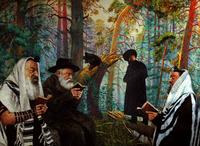
Golden autumn
Alexander Roitburd
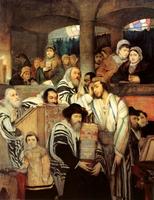
Jews Praying in the Synagogue on Yom Kippur
Maurycy Gottlieb
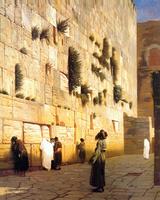
Solomon's Wall, Jerusalem
Jean-Leon Gerome
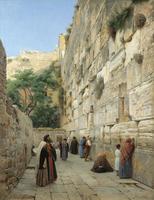
The Wailing Wall, Jerusalem
Gustav Bauernfeind
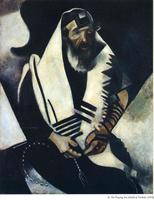
The Praying Jew (Rabbi of Vitebsk)
Marc Chagall
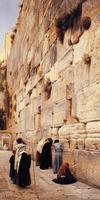
The Wailing Wall, Jerusalem
Gustav Bauernfeind
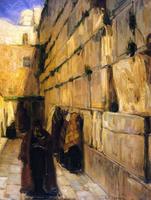
Study for The Jews' Wailing Place
Henry Ossawa Tanner
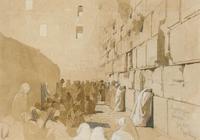
The Wailing Wall, Jerusalem
Carl Haag
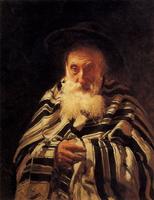
Jew praying
Ilya Repin
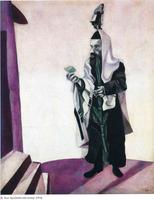
Feast Day (Rabbi with Lemon)
Marc Chagall
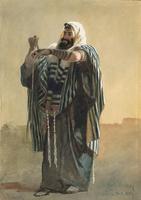
An Ashkenazi at his prayers
Carl Haag
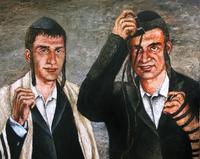
If there is no Water in the Tap, then Klichko have drunk
Alexander Roitburd
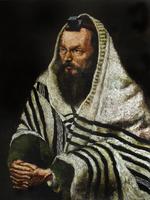
If there is no Water in the Tap. Dostoevsky
Alexander Roitburd
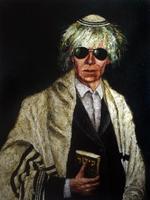
If there is no Water in the Tap. Warhol
Alexander Roitburd
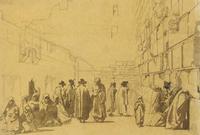
The Wailing Wall, Jerusalem
Carl Haag
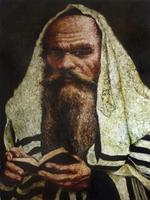
If there is no Water in the Tap. Leo Tolstoy
Alexander Roitburd
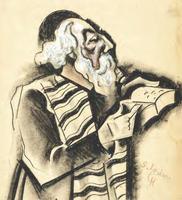
Scheiber Hugó, Rabbi 1940
Scheiber Hugó
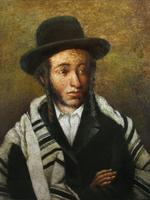
If there is no Water in the Tap. Pushkin
Alexander Roitburd