Analisi esperta di The Actor Reading a Scroll di Utagawa Kunisada
Stile: Ukiyo-e · Genere: yakusha-e
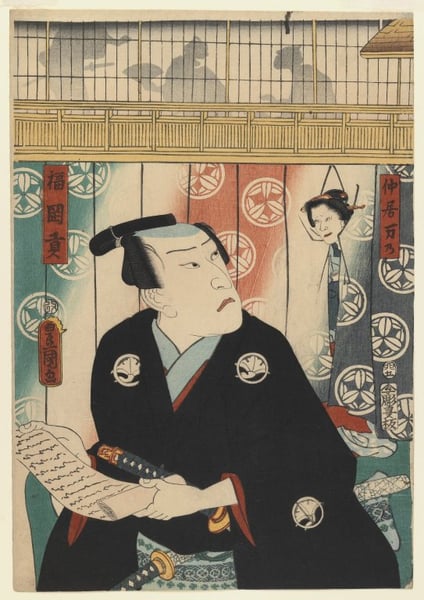
Analysis of "The Actor Reading a Scroll" by Utagawa Kunisada
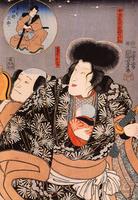
As an expert in Ukiyo-e, I can place this work squarely within the tradition of yakusha-e—the specialized genre of actor prints that flourished during the Edo period. Utagawa Kunisada (also known as Toyokuni III) was a dominant figure in this realm, and this piece exemplifies the key elements that made his actor portraits so significant.
Significance Within Ukiyo-e and Yakusha-e
-
Portrayal of Theatrical Presence: The composition—a solitary actor engrossed in reading a scroll—is a masterclass in capturing the poised stillness of a Kabuki performer offstage but still in character. Kunisada avoids the typical dynamic action pose, instead focusing on the actor's contemplative moment, which highlights the intellectual and scripted nature of the performance. This choice elevates the print beyond mere fan merchandise to a study of dramatic introspection.
-
Expressive Line and Pattern: The crisp, flowing lines of the kimono and the detailed rendering of the scroll demonstrate Kunisada's command of kacha-e (strong, graphic outlines) and his ability to weave intricate patterns into the fabric, a hallmark of Ukiyo-e's attention to surface decoration. The actor's facial features, while stylized, convey a specific emotional nuance—reserved concentration rather than exaggerated Kabuki mie (climactic poses).
-
Cultural and Artistic Context: As a leading artist of the Utagawa school, Kunisada produced thousands of yakusha-e during a period when Kabuki was the mass entertainment of Edo. This print's significance lies in its role as both a collectible souvenir for theatergoers and a sophisticated artwork that documents the cultural centrality of the actor and the script. The scroll itself symbolizes the importance of texts and scripts in a tradition that was primarily oral and gestural.
-
Distinctive Use of Color and Composition: The limited yet harmonious palette—likely featuring bold beni (red) and subtle gradations of sumi ink—draws the viewer's eye to the actor's hands and face, the two focal points of the narrative. The vertical format, typical of kakemono-e (hanging-scroll prints), emphasizes the actor's dignified stature and the vertical flow of the scroll, reinforcing the theme of reading and contemplation.
In summary, "The Actor Reading a Scroll" is significant because it encapsulates the refined aesthetic of late Edo-period Ukiyo-e, the technical skill of Kunisada, and the cultural importance of Kabuki theater. It stands as a quiet yet powerful example of how yakusha-e could transform a fleeting theatrical moment into a timeless visual meditation on art, performance, and the reading of a script.
Museum / Gallery
Visivamente simili
20 opere con composizione e palette affini
Kabuki Actors Sanogawa Ichimatsu II as Hayano Kampei and Osagawa Tsuneyo as Onoe
Utagawa Toyokuni
Kitaoka Nizaemon as Wakasanosuke in Chushingura
Natori Shunsen
Ichikawa Ebiso as Hayano Kanpei in Chushingura
Natori Shunsen
Bandō Mitsugorō II as the manservant Kugahei
Tōshūsai Sharaku
Kabuki Actors Sanogawa Ichimatsu III in the Role of the Courtesan Onnayo of Gion and Ichikawa Tomieimon in the Role of Kanisaka Tōma
Tōshūsai Sharaku
Kichiiemon as Hoshikage Tsuchiemon
Yamamura Toyonari
The Actors Ichikawa Danzō And Ichikawa Danzaburō
Utagawa Toyokuni
Kabuki Actors Sawamura Sōjūrō and Segawa Kikunogō (adachi Reprint 1918–1923)
Tōshūsai Sharaku
Ichikawa Danjūrō VI as Soga no Gorō Tokimune
Tōshūsai Sharaku
Dressing a Boy on the Occasion of His First Letting His Hair Grow
Kitagawa Utamaro
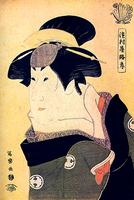
Kikunojō Segawa III as Nakai Ohama in Hana No Miyako Kuruwa No Nawabari
Tōshūsai Sharaku
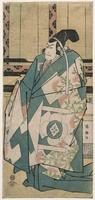
Kabuki Actor Ichikawa Ebizō as Kudō Saemon Suketsune
Tōshūsai Sharaku
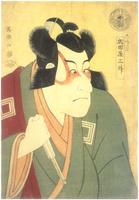
Ichikawa Danjūrō VI as Arakawa Tarō Takesada
Tōshūsai Sharaku
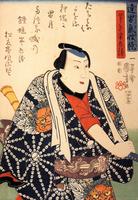
The actor
Utagawa Kuniyoshi
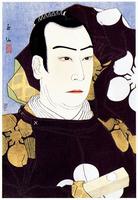
Otani Tomoemon as Kanshojo
Natori Shunsen
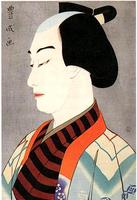
Nakamura Ganjiro I as Akane Hanshichi
Yamamura Toyonari
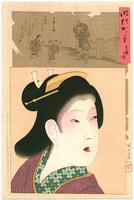
Kyouhou - Mirror of the Ages
Toyohara Chikanobu
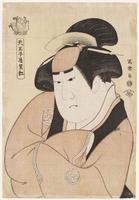
Yamashita Kinsaku II as the maid Ebizō Okane, actually Iwate Gozen, wife of Abe Sadatō
Tōshūsai Sharaku
The female demond
Utagawa Kuniyoshi
Wanting to see the next volume
Utagawa Kuniyoshi