Expert analysis of William Merritt Chase’s Ready For The Ride
Style: Impressionism · Genre: portrait
Expert Analysis: "Ready For The Ride" by William Merritt Chase (Impressionism, Portrait)
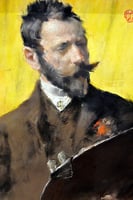
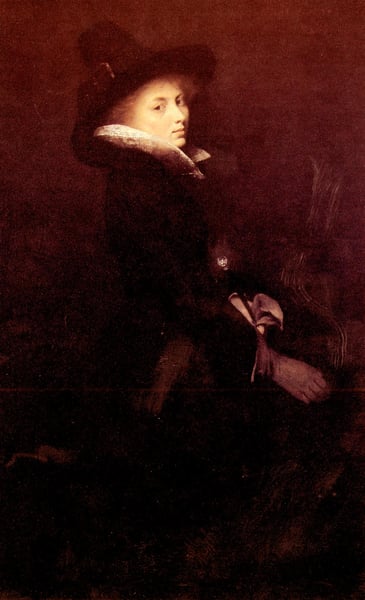
William Merritt Chase’s "Ready For The Ride" stands as a compelling example of American Impressionism’s synthesis of European innovation and domestic subject matter. Painted during Chase’s mature period, the work captures a moment of poised anticipation—a figure, likely a woman of the artist’s social circle, preparing to depart for a ride. The painting’s significance lies in how Chase reconciles the Impressionist emphasis on light and fleeting sensation with the solidity and psychology of a formal portrait.
Stylistic Significance within Impressionism
Unlike many French Impressionists who dissolved form in favor of atmospheric color, Chase retained a strong sense of structure. In Ready For The Ride, the sitter’s silhouette is clearly defined against a luminous background, while her face and hands are rendered with enough specificity to convey character. Yet Chase applies Impressionist techniques in the treatment of fabric, sunlight, and shadow: dappled strokes of white, cream, and soft blue suggest the texture of her riding habit, and the background—perhaps a stable or garden—is built from broken, vibrant touches of green and gold. This balance between precision and painterliness was Chase’s hallmark, earning him a reputation as a master of the “American Impressionist” idiom.
Genre and Context
As a portrait, the work transcends mere likeness. The title Ready For The Ride implies a narrative—a woman on the cusp of action, framed by her social milieu. Chase often painted women of leisure, reflecting the Gilded Age’s fascination with refinement and outdoor recreation. The riding habit itself, elegant yet practical, signals both status and the expanding roles of women in the late 19th century, who increasingly participated in sports like horseback riding.
Art-Historical Significance
Chase was a pivotal figure in introducing Impressionism to the United States, but he adapted it to American tastes, emphasizing clarity and bourgeois decorum over radical experimentation. Ready For The Ride showcases this adaptation: it lacks the raw urbanity of Degas or the plein-air spontaneity of Monet, instead offering a polished, intimate glimpse of a bygone era. Moreover, Chase’s influence as a teacher at the Art Students League and the Shinnecock Hills Summer School meant that works like this one shaped a generation of American portraitists.
In summary, "Ready For The Ride" is significant for its seamless fusion of Impressionist technique with the narrative conventions of portraiture, its documentation of American leisure culture, and its embodiment of Chase’s role as a bridge between European avant-garde and American academic traditions.
Visually similar
20 works with related composition and palette
Marie de Medici
Peter Paul Rubens
A Young Man at a Table (possibly Govaert Flinck)
Rembrandt
Portrait of Paulus Verschuur
Frans Hals
Maria Bockennolle, Wife of Johannes Elison
Rembrandt
Infantin Isabella Clara Eugenia
Sofonisba Anguissola
Portrait Of A Young Woman With A Fan
Rembrandt
A Portrait of a Young Woman
Rembrandt
Marie de Medici, Queen of France
Peter Paul Rubens
Lady Caroline Edgcumbe (1792–1824)
John Jackson
Female portrait
Orest Kiprensky
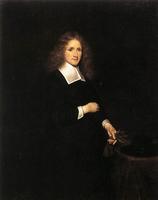
Portrait of a Young Man
Gerard Terborch
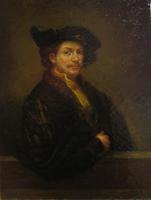
Portrait of Rembrandt
Ferdinand Bol
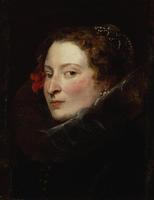
Marchesa Elena Grimaldi-cattaneo
Anthony van Dyck
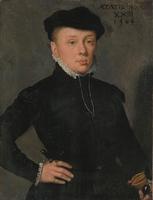
Umkreis Bildnis eines jungen Edelmannes
Frans Pourbus the Elder
Wife of an Aristocratic Genoese
Anthony van Dyck
Portrait Of The Artist's Wife
Joachim Wtewael
Portrait of Antonia Canis
Cornelis de Vos
Arrangement in Black, No. 2 Portrait of Mrs. Louis Huth
James McNeill Whistler
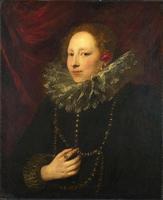
Portrait of a Woman
Anthony van Dyck
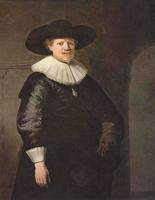
Portrait of a Man (possibly the poet Jan Harmensz Krul)
Rembrandt