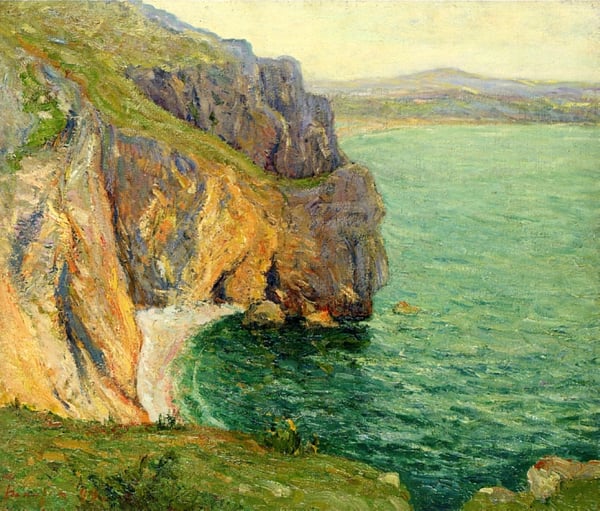
The Cliffs at Polhor
Dettagli
Analisi esperta di The Cliffs at Polhor di Maxime Maufra
Stile: Post-Impressionism · Genere: landscape
Expert Analysis: "The Cliffs at Polhor" by Maxime Maufra
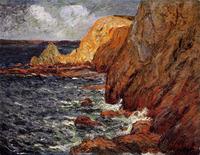
Maxime Maufra’s The Cliffs at Polhor stands as a vivid exemplar of Post-Impressionist landscape painting, merging the structural clarity of the Pont-Aven School with the emotive color experiments of the late 19th century. Maufra, a contemporary of Gauguin and a participant in the Pont-Aven circle, imbues this coastal scene with a sense of monumental stillness and vibrant life.
Significance within Post-Impressionism:
Maufra’s work departs from the fleeting, atmospheric effects of Impressionism by employing bold, rhythmic outlines and simplified, flat planes of color – hallmarks of the Synthetist style he absorbed in Brittany. In The Cliffs at Polhor, the rugged coastline is not merely transcribed but structured into strong, geometric masses that emphasize the enduring, almost sculptural form of the cliffs. The palette, likely dominated by deep greens, ochres, and the electrifying blues of the Atlantic, pushes beyond naturalism toward expressive, symbolic color. This approach aligns with Post-Impressionism’s core goal: to convey emotional resonance and formal order rather than optical reality.
Artistic Impact:
- Bridging Traditions: Maufra’s landscape links the lyrical observation of earlier Impressionism with the symbolic and decorative tendencies that would influence Fauvism and early Modernism. The cliffs become a motif of elemental power – a subject both specific to Brittany’s Polhor region and universal in its raw geology.
- Mastery of Light and Texture: Unlike the broken brushwork of Monet, Maufra uses controlled, substantial strokes that build the cliff face into a textured, tactile wall. Light is rendered through contrasts of warm and cool hues, not through dabs of pure color, giving the scene a sun-drenched solidity that feels both serene and timeless.
- Local Identity: Polhor, on the coast of Finistère, represents Maufra’s lifelong fascination with the wild, untamed landscapes of northwest France. His treatment elevates a specific geographic spot into an icon of nature’s permanence, a theme that resonates with the era’s interest in regionalism and a return to authentic, pre-industrial scenery.
In summary, The Cliffs at Polhor is significant for its synthesized composition – blending decorative patterning, strong line, and expressive color – and for its role in demonstrating how Post-Impressionism transformed landscape painting from a window into a structured, emotionally charged vision. Maufra’s cliff remains a quiet but powerful example of the movement’s quest for order, feeling, and form.
Museum / Gallery
Visivamente simili
20 opere con composizione e palette affini
La Banche
Gustave Loiseau
Cliffs in Gray Weather
Gustave Loiseau
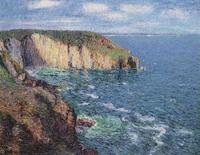
Cliffs at Cape Frehel
Gustave Loiseau
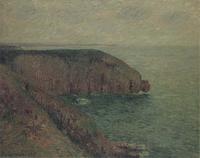
Cliffs at Fecamp
Gustave Loiseau
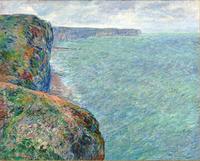
The Sea Seen from the Cliffs of Fecamp
Claude Monet
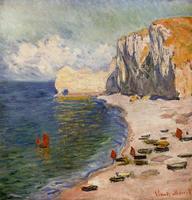
The Beach and the Falaise d'Amont
Claude Monet
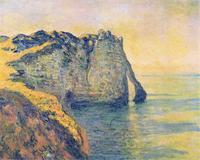
Cliffs of the Porte d'Aval
Claude Monet
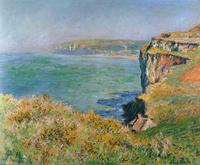
Cliff at Grainval
Claude Monet
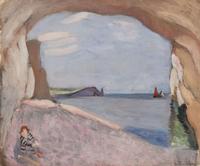
Étretat, La Voile Rouge
Henri Matisse
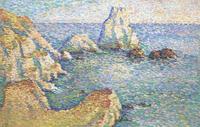
Rocks
Willy Schlobach
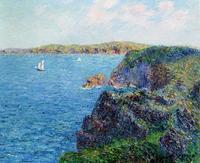
A Cove at Sevignies
Gustave Loiseau
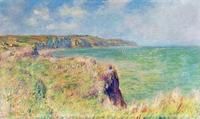
Edge of the Cliff at Pourville
Claude Monet
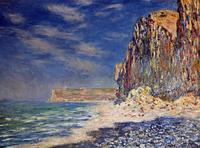
Cliff near Fecamp
Claude Monet
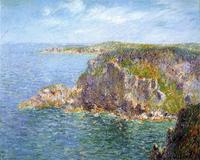
Cap Frehel
Gustave Loiseau
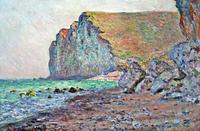
Cliffs of Les Petites-Dalles
Claude Monet
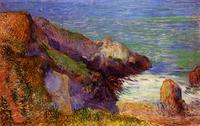
Rocks on the breton coast
Paul Gauguin
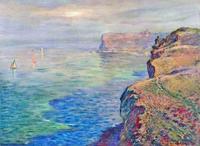
Cliff at Grainval near Fecamp
Claude Monet
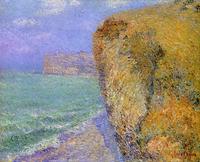
Cliffs at Grainval
Gustave Loiseau
The Manneport, Reflections of Water
Claude Monet
Cliffs
Maxime Maufra