Expert analysis of Aubrey Beardsley’s Poor Folk by Dostoievsky
Style: Art Nouveau (Modern) · Genre: design
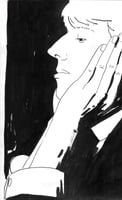
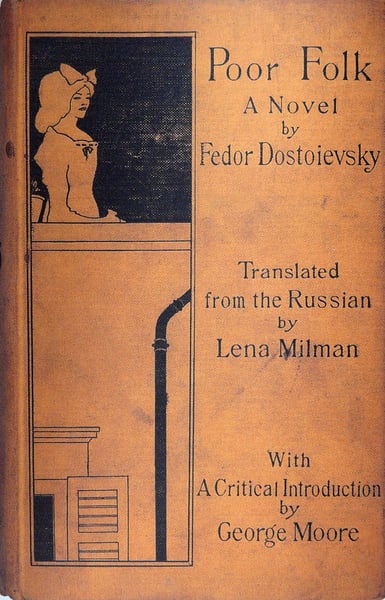
Aubrey Beardsley’s "Poor Folk by Dostoievsky" is a significant example of Art Nouveau design, demonstrating the movement’s radical departure from Victorian ornamentalism toward a modern, linear aesthetic. As a design piece, it showcases Beardsley’s mastery of sinuous, asymmetrical lines and stark black-and-white contrast—hallmarks of the style. The work is notable for its integration of literary subject matter with decorative form: the flowing, organic curves typical of Art Nouveau are used to frame and interpret Dostoevsky’s narrative, blending high art with book design. This piece exemplifies how Beardsley elevated commercial illustration to fine art, pushing the boundaries of the genre by emphasizing line over shading and creating a modernist visual language that was both provocative and elegant. Its significance lies in its bold, graphic simplicity and its role in defining the visual identity of the Art Nouveau movement in the late 19th century.
Museum / Gallery
Visually similar
20 works with related composition and palette
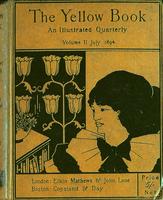
The cover of The Yellow Book
Aubrey Beardsley
Barabbas
Theophile Steinlen
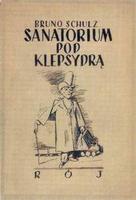
Cover Illustration of the Book 'Sanatorium Under the Sign of the Hourglass'
Bruno Schulz
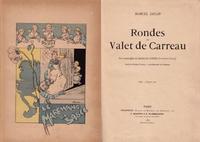
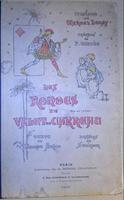
Legay Rondes du Valet de Carreau
Theophile Steinlen
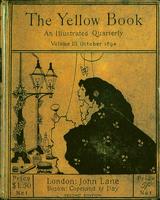
Vol .III
Aubrey Beardsley
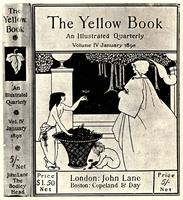
Design (unused) for the cover of Volume IV of 'The Yellow Book'
Aubrey Beardsley
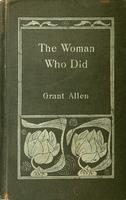
The Woman Who Did
Aubrey Beardsley
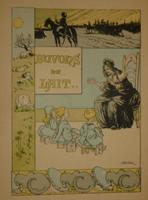
Buvons du Lait
Theophile Steinlen
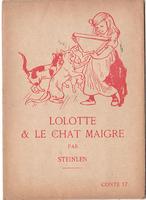
Lolotte and skinny cat
Theophile Steinlen
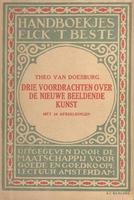
Cover of "Three lectures about the new art"
Theo van Doesburg
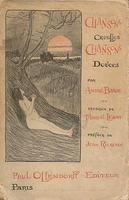
Chansons Cruelles Chansons Douces
Theophile Steinlen
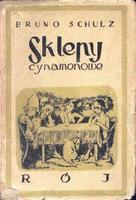
Cover for 'The Cinnamon Shops'
Bruno Schulz
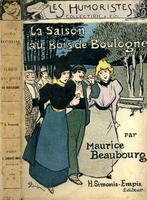
Au Bois de Boulogne par Maurice Beaubourg
Theophile Steinlen

Boston Illustrated
Ethel Reed
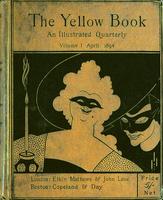
The Yellow Book
Aubrey Beardsley
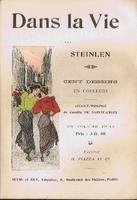
Dans La Vie prospectus
Theophile Steinlen
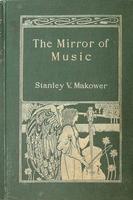
The Mirror of Music
Aubrey Beardsley
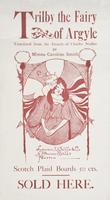
Trilby the Fairy of Argyle
Ethel Reed
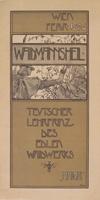
Waidmannsheil
Koloman Moser
Les Rondes
Theophile Steinlen