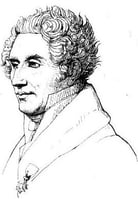
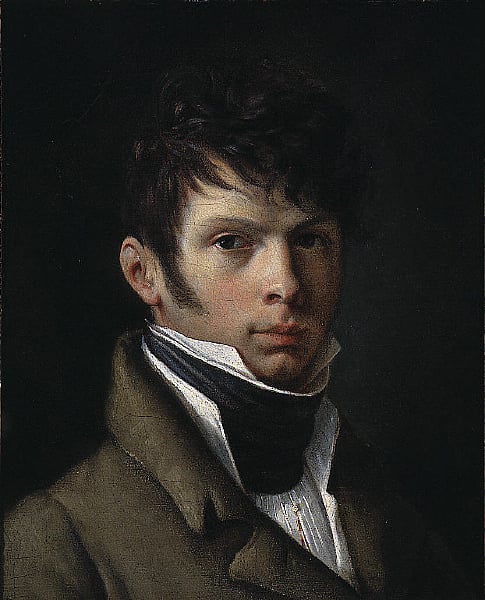
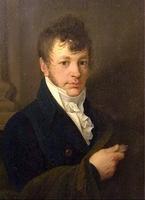
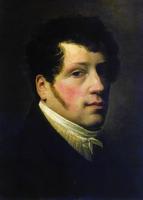
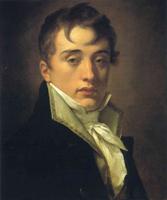
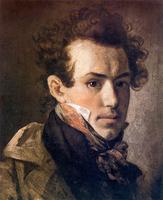
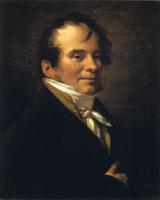
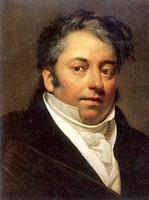
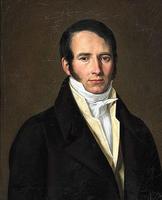
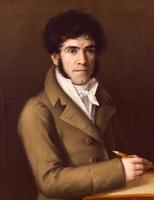
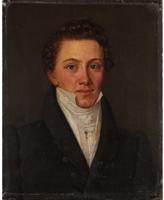
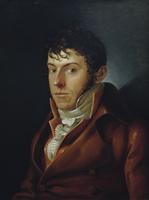
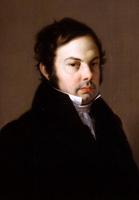
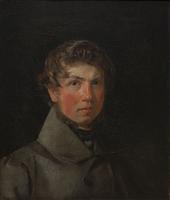
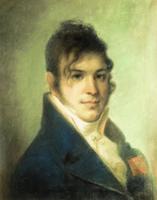
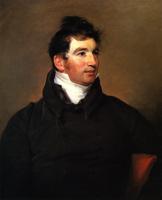
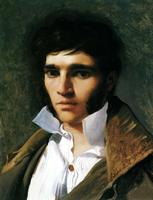
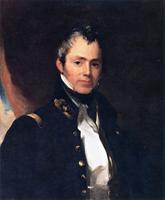
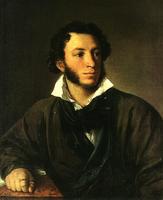
The portrait "Arnauld de Beaufort" by Pierre-Paul Prud'hon is a significant work within the Romantic movement, particularly for its departure from the rigid formalism of Neoclassicism that preceded it. As a Romantic portrait, the piece emphasizes psychological depth and individual character over idealized representation. Prud'hon's handling of the subject—likely an intimate, nuanced depiction—reflects the Romantic fascination with inner emotional life and personal identity. The work's significance lies in its ability to convey a sense of subtle emotional tension and natural human presence, hallmarks of Prud'hon's distinctive style, which synthesized the soft, sfumato-like modeling of Leonardo da Vinci with a Romantic sensitivity to mood and atmosphere. This portrait thus exemplifies how Romantic portraiture redefined the genre, prioritizing the sitter's inner world and the artist's expressive touch over classical conventions.