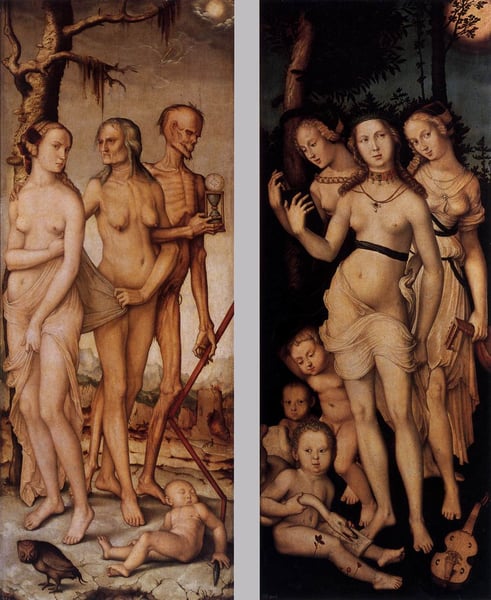
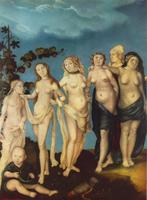
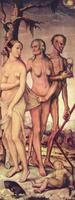
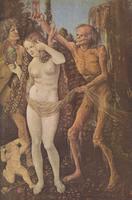
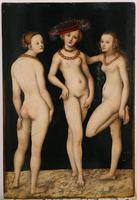
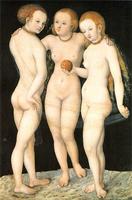
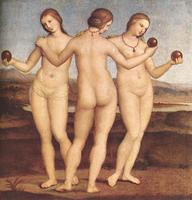
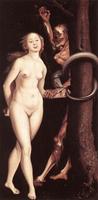
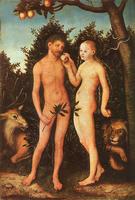
Hans Baldung’s Three Ages of Man and Three Graces is a compelling Northern Renaissance allegory that fuses two distinct classical motifs—the Three Graces (symbols of charm, beauty, and creativity) and the Three Ages of Man (youth, maturity, and old age). Baldung subverts the traditional, idealized depiction of the Graces by interweaving them with the transience of human life, creating a memento mori that is both erotic and cautionary. The work’s significance lies in its bold synthesis: the radiant, sensual figures of the Graces are juxtaposed with the aging, vulnerable bodies of the male figures, underscoring the inevitability of decay. Baldung’s characteristically vivid palette, meticulous detail, and subtle grotesqueries (such as the inclusion of a skull or withered flesh) align with the Northern Renaissance fascination with mortality and moral instruction. This painting stands out for its frank, even provocative treatment of time’s passage, moving beyond simple celebration of youth to a stark meditation on the fleeting nature of earthly pleasures.