Expert Art Historical Analysis:
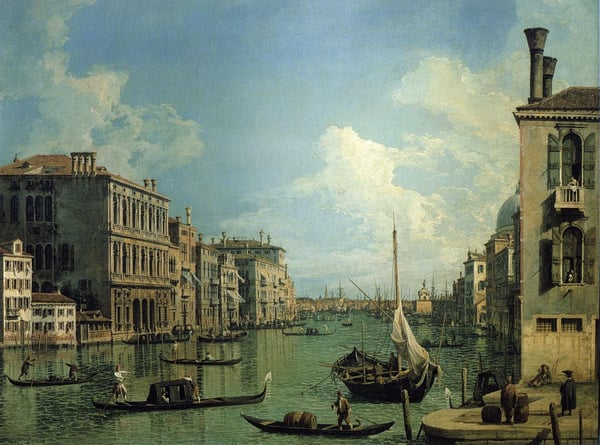
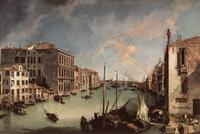
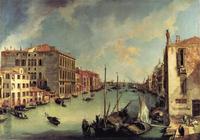
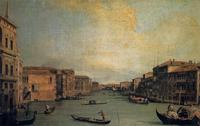
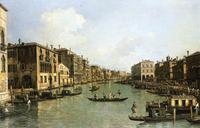
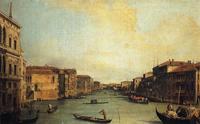
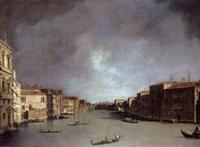
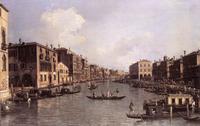
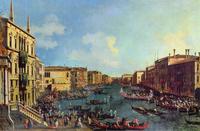
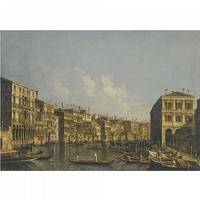
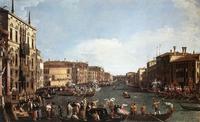
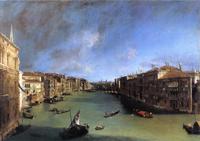
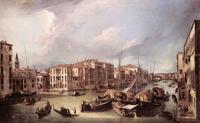
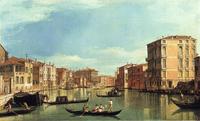
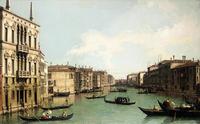
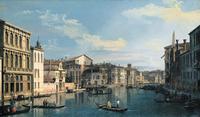
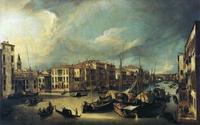
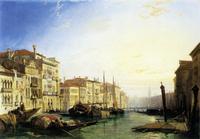
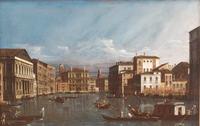
Canaletto’s "Grand Canal Nethe Campo San Vio, Looking Towards the Church of San Maria della Salute" is a quintessential example of the Baroque veduta—a highly detailed, topographical cityscape that flourished in 18th-century Venice. As a Baroque work, it demonstrates the period’s fascination with theatricality and illusionistic depth, but Canaletto’s genius lies in his almost scientific precision of perspective and light. The painting’s significance within its style and period stems from its mastery of veduta conventions: it captures a recognizable Venetian scene with crystalline clarity, balancing architectural grandeur (the sweeping curve of the Grand Canal, the iconic dome of Santa Maria della Salute) with the everyday bustle of gondolas and figures. Canaletto’s use of a meticulous, almost photographic eye—often aided by a camera obscura—elevates the veduta from mere record to a celebration of Venetian civic pride and Baroque visual splendor. This work exemplifies how the Baroque veduta transformed urban landscapes into stage-like spectacles of light, geometry, and atmosphere, making Canaletto a definitive master of the genre.