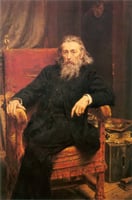
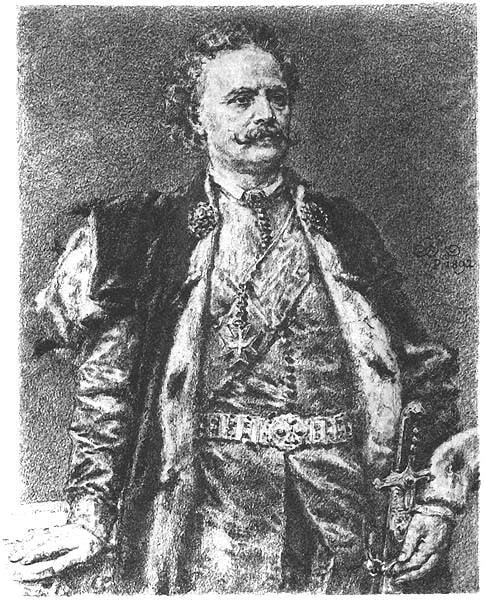
Analisi esperta di Stanislaw Leszczynski di Jan Matejko
Stile: Romanticism · Genere: portrait
Expert Art Historical Analysis: "Stanislaw Leszczynski" by Jan Matejko
Jan Matejko’s portrait of Stanislaw Leszczynski exemplifies the Romanticism movement’s preoccupation with national identity, historical heroism, and emotional depth. Painted within the Romantic tradition, this work transcends mere likeness to become a powerful statement about Poland’s turbulent past and its enduring cultural memory.
Significance within Romanticism
As a Romantic portrait, Matejko’s piece elevates the subject—a Polish king and twice-elected monarch—into a symbol of resilience and tragedy. Romanticism in art often sought to evoke intense emotion and national pride, and Matejko achieves this by infusing the portrayal with a sense of drama and moral gravity. Leszczynski, a figure who lost his throne and lived in exile, becomes a vehicle for exploring themes of sacrifice, sovereignty, and the fleeting nature of power—core concerns of Romantic historiography.
Stylistic and Formal Achievements
Matejko’s technical mastery aligns with Romantic portraiture’s emphasis on psychological penetration and rich, evocative color. The artist likely employs a dark, atmospheric background typical of Romantic portraits, focusing attention on the sitter’s face and hands to convey inner life and character. The absence of ostentatious regalia suggests a deliberate turn away from aristocratic flattery toward a more humanized, introspective representation—a hallmark of Romanticism’s shift from neoclassical idealism to individual truth.
Cultural and Historical Resonance
This portrait is significant as part of Matejko’s larger project to revive Polish historical consciousness during a period of political partition. By choosing a controversial yet revered king, Matejko engages directly with Romanticism’s goal of forging national mythologies. The work does not merely document a historical figure but interprets him as a tragic hero, inviting viewers to reflect on Poland’s own struggles for independence. In this way, the portrait functions as both a work of art and a patriotic emblem, embodying Romanticism’s fusion of emotion, history, and identity.
In sum, Stanislaw Leszczynski stands as a quintessential Romantic portrait—a vivid, emotionally charged homage that transforms a single life into a timeless narrative of courage and loss.
Visivamente simili
20 opere con composizione e palette affini
Boleslaw the Bold
Jan Matejko
Stanislaw Leszczynski
Jan Matejko
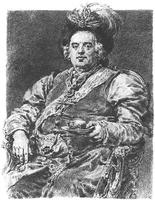
Augustus III
Jan Matejko
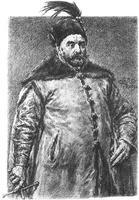
King Stefan Batory
Jan Matejko
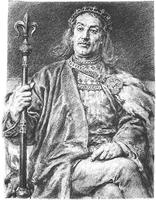
Wladyslaw III Laskonogi
Jan Matejko
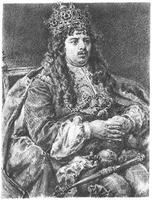
Michał Korybut Wiśniowiecki
Jan Matejko
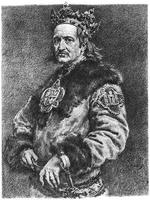
Wladyslaw Jagiello
Jan Matejko
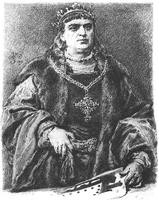
Sigismund I the Old
Jan Matejko
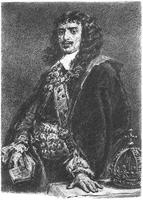
John II Casimir
Jan Matejko
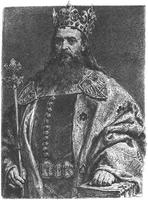
Kazimierz III Wielki
Jan Matejko
Matejko Jadwiga
Jan Matejko
Louis the Hungarian
Jan Matejko
Sigismund II August
Jan Matejko
Boleslaw V the Chaste
Jan Matejko
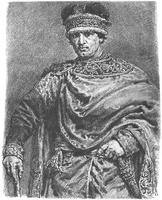
Wladyslaw II the Exile
Jan Matejko
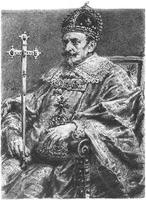
Sigismund III Vasa
Jan Matejko
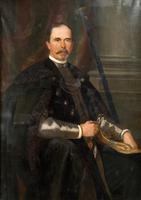
Portret Jana Dzierżysława Tarnowskiego
Henryk Rodakowski
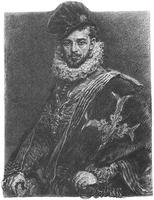
Henryk Walezy
Jan Matejko
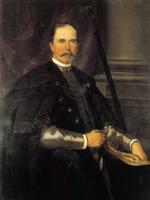
Marshal Jan D. Tarnowski
Henryk Rodakowski
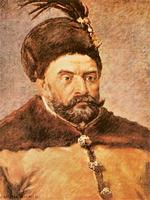
Stefan Batory
Jan Matejko