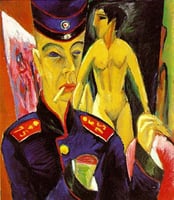
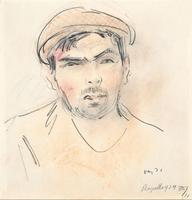
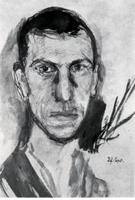
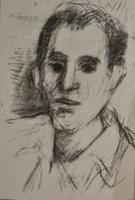
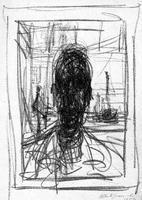
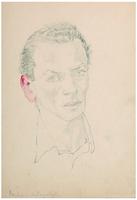
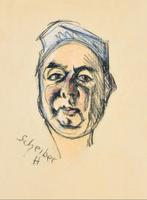
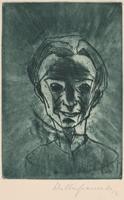
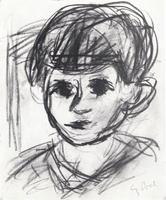
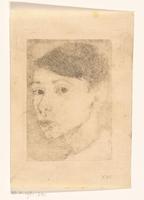
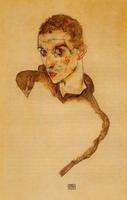
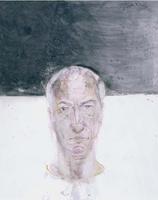
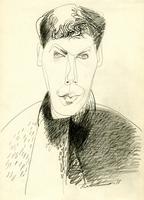
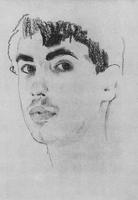
Based solely on the provided structured facts, the significance of Ernst Ludwig Kirchner's Self-portrait lies in its explicit combination of Expressionist style with the self-portrait genre. As an Expressionist work, the painting prioritizes emotional intensity and subjective inner experience over objective likeness. When applied to the self-portrait—a genre traditionally concerned with self-representation and identity—this stylistic approach signals a radical departure from academic conventions. The artwork becomes a vehicle for psychological exploration, using distortion, bold color, and energetic brushwork (hallmarks of Expressionism) to convey the artist’s internal state rather than a literal recording of his features. In the context of the broader Expressionist movement, this fusion marks a turning point: the self-portrait is no longer a mirror of the external self but a tool for revealing the anxieties, alienation, and raw emotional truths of the modern individual. Kirchner’s choice to depict himself in this aggressive, subjective manner underscores Expressionism’s core mission—to break with naturalism and instead communicate the artist’s visceral response to a fragmented world. Thus, the work’s significance is rooted in how it redeploys a classic introspective genre to advance the revolutionary aims of Expressionism.