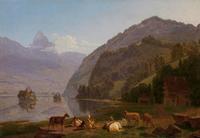
Expert Analysis of "Hallstatt" by Rudolf von Alt
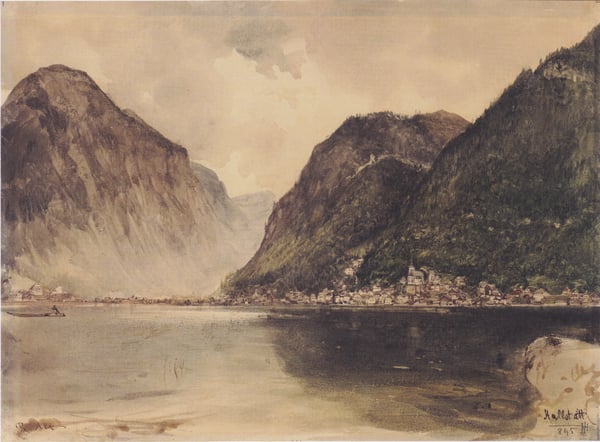
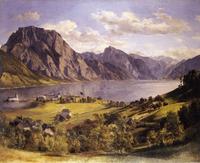
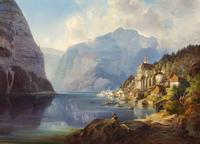
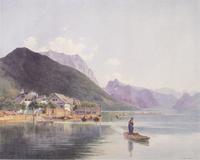
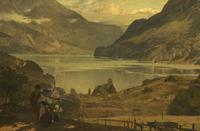
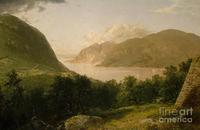
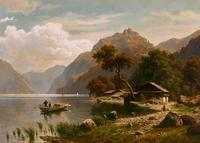
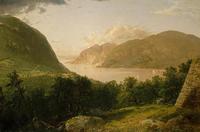
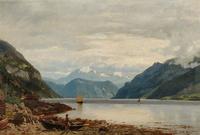
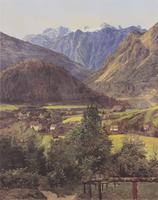
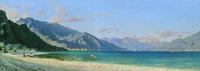
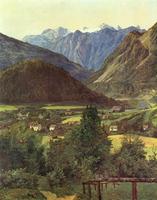
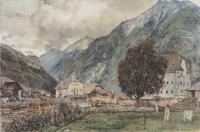
As a work of Romanticism in the landscape genre, Rudolf von Alt’s Hallstatt is significant for its embodiment of the movement’s core ideals: an awe‑inspired reverence for nature, a nostalgic celebration of the picturesque, and a meticulous rendering of atmospheric detail. The painting captures the iconic Alpine village nestled between a serene lake and towering mountains, translating the Romantic fascination with the sublime and the harmonious coexistence of human habitation within a grand, untamed environment.
Von Alt’s precise brushwork and sensitivity to light and shadow elevate the scene beyond mere topographical record. Instead, the composition evokes a contemplative mood, inviting the viewer to experience the emotional resonance of the landscape—a hallmark of Romantic sensibility. The work’s significance lies in how it synthesizes empirical observation with poetic feeling, exemplifying the Romantic landscape’s role as a window to the sublime and a testament to nature’s enduring power and beauty.