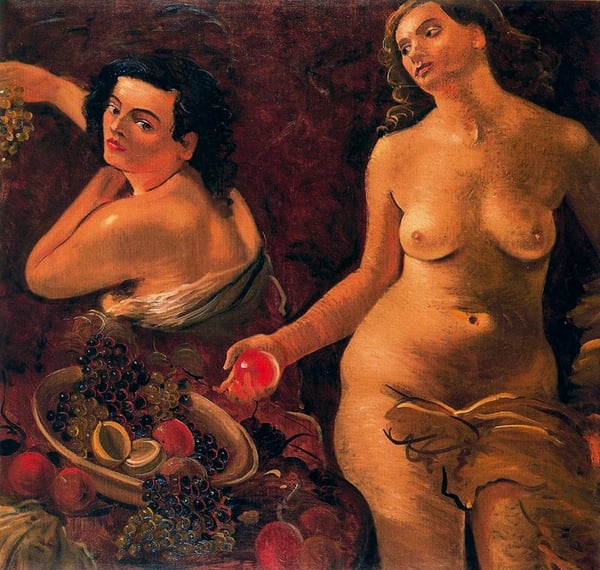
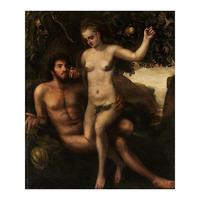
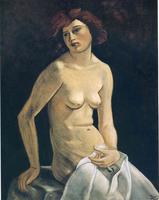
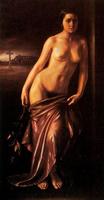
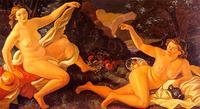
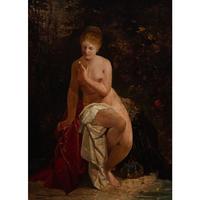
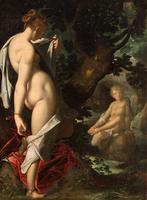
André Derain’s Two Naked Women and Still Life marks a significant pivot in his career, moving from the vibrant, arbitrary colors of Fauvism toward a disciplined, structured Neoclassicism. Executed as a nude painting, the work deliberately references classical ideals of form and composition. The inclusion of a still life alongside the figures anchors the scene in a timeless, harmonious arrangement, echoing the balanced spatial traditions of Poussin or Ingres. This synthesis of genre—the nude and the still life—underscores Derain’s embrace of order, volume, and sculptural clarity during the 1920s, reflecting a broader modernist return to classical roots. The painting’s significance lies in its demonstration of Derain’s versatility and his search for a purified, monumental language that bridged avant-garde experimentation with enduring artistic canons.