Expertenanalyse zu Martiros Sarians Aparan
Stil: Expressionism · Genre: genre painting
Expert Analysis of "Aparan" by Martiros Sarian
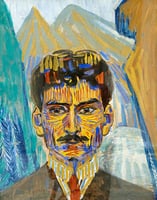
Martiros Sarian’s "Aparan" stands as a compelling example of Expressionist genre painting, where the everyday life of an Armenian village is transformed into a radiant, emotionally charged vision. As a leading figure of Armenian modernism, Sarian fused the bold colorism of Fauvist and Expressionist movements with a deep reverence for his homeland’s landscapes and people.
Significance within Expressionism & Genre Painting:
- Color as Emotion: True to the Expressionist ethos, Sarian uses saturated, often non-naturalistic hues—intense oranges, deep blues, and sun-drenched yellows—to convey the spiritual warmth and resilience of rural life. The palette does not merely describe but feels, turning a simple genre scene into a celebration of Armenian identity.
- Genre Elevated: While genre painting traditionally documents daily activities, Sarian infuses it with symbolic weight. The figures—farmers, villagers, or pastoral workers—are not anonymous types but emblematic of a land’s soul. Their forms are simplified and rhythmic, echoing Armenian folk art and architectural motifs, thereby bridging Expressionist abstraction with ethnic tradition.
- Cultural Synthesis: Sarian’s work is significant because it redefines Western Expressionism through an Eastern lens. "Aparan" synthesizes the emotional directness of German Expressionism with the luminous, decorative flatness of Persian and Armenian miniature painting. This hybridity marks Sarian as a vital, underrecognized contributor to the global Expressionist narrative.
Legacy: "Aparan" exemplifies how Sarian turned the genre painting into a manifesto of national vitality. Its bold chromatic intensity and compositional clarity make it a touchstone for understanding how early 20th-century Armenian artists used modern European styles to assert cultural pride and resistance—especially poignant in the aftermath of the Armenian Genocide. The painting remains a testament to Sarian’s belief that color itself could speak of life, land, and unbroken spirit.
Visuell ähnlich
20 Werke mit ähnlicher Komposition und Farbpalette
Landscape in Kalaki (Gohtan)
Martiros Sarian
Cliff
Martiros Sarian
Landscape
Marià Fortuny
Woman with pitcher under trees
August Macke
Procopius the Righteous removes a cloud of stone from the Great Ustyug
Nicholas Roerich
Mountain gave
Martiros Sarian
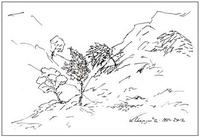
Three trees
Martiros Sarian
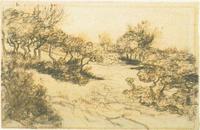
Hill with Bushes
Vincent van Gogh
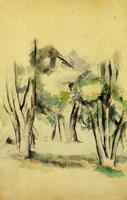
Trees
Paul Cezanne
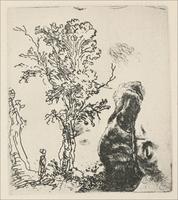
Sketch of a Tree
Rembrandt
Lauterbrunnen Valley and dust stream in the moonlight
Ferdinand Hodler
Dents du Midi from Champéry
Ferdinand Hodler
Shelving field (On the slope of the mountain)
Martiros Sarian
Rocky Ground at Montmajour
Vincent van Gogh
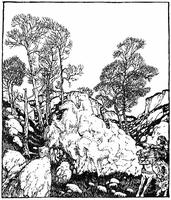
Gawain arrives at the Green Chapel
Arthur Rackham
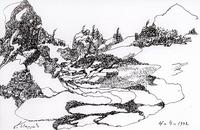
Mountain landscape
Martiros Sarian
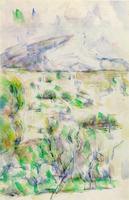
Mont Sainte-Victoire Seen from les Lauves
Paul Cezanne
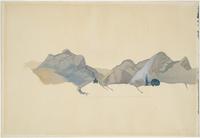
Untitled
Andre Derain
The Death of Kikos
Martiros Sarian
Cliffs
Martiros Sarian