Analisi esperta di Dressing the Kitten di Joseph Wright
Stile: Baroque · Genere: portrait
Expert Analysis: Dressing the Kitten by Joseph Wright
Significance within the Baroque Style and Portrait Genre
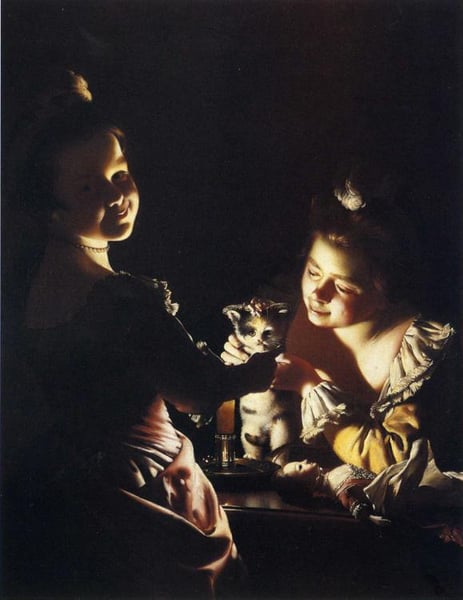
Although categorized as a portrait, Dressing the Kitten transcends the conventional expectations of Baroque portraiture—typically reserved for nobility, clergy, or mythological subjects—by focusing on an intimate, domestic moment. This choice is itself significant: it reflects the Baroque period’s growing interest in naturalism, emotional immediacy, and the everyday drama of human (and animal) life.
Key Baroque Characteristics
- Tenebrism and Chiaroscuro: Wright employs the stark, dramatic lighting typical of Baroque masters (e.g., Caravaggio). The strong contrast between illuminated figures and deep shadows directs the viewer’s eye to the central action—the careful, tender act of dressing the kitten. This spotlight effect heightens the scene’s emotional tension and realism.
- Emotional Engagement: The Baroque style prizes capturing a fleeting, vivid moment that invites empathy. Here, the subject’s focused expression, the kitten’s playful resistance, and the soft tactile details (fabric, fur) create a narrative of gentle care. The viewer is drawn into the private, tender relationship between the person and the animal.
- Dynamic Composition: Baroque portraits often break static formality. The diagonal arrangement of hands, cloth, and the kitten’s wriggling body introduces a sense of motion and spontaneity, as if time itself has been frozen mid-gesture.
What Makes the Work Significant
By applying Baroque visual drama to an otherwise humble, genre-like scene, Wright elevates a fleeting domestic activity to the level of high art. This work anticipates later 18th-century shifts toward sentimental and anecdotal portraiture, where character and emotion matter more than status. The kitten, often a symbol of curiosity and domesticity, is treated with the same painterly gravity as a sitter of rank—making Dressing the Kitten a noteworthy example of Baroque art’s expansion into intimate, everyday life.
Visivamente simili
20 opere con composizione e palette affini
Before the ball
Petrus van Schendel
Musical Group by Candlelight
Gerard van Honthorst
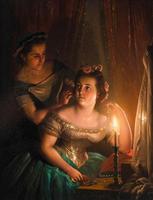
Preparing for the ball
Petrus van Schendel
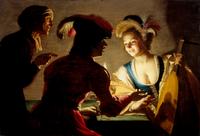
The Procuress
Gerard van Honthorst
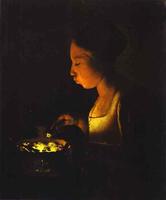
Girl with a Brazier
Georges de la Tour
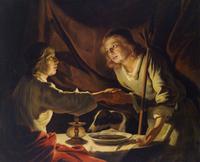
Esau Sold Jacob his Birthright and the Mess of Pottage
Matthias Stom
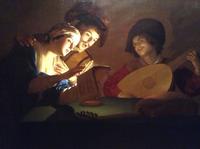
A Music Party
Gerard van Honthorst
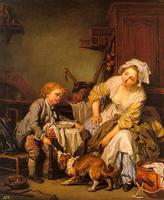
The Spoiled Child
Jean-Baptiste Greuze
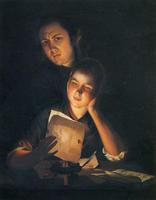
A Girl reading a letter by Candlelight, with a Young Man peering over her shoulder
Joseph Wright
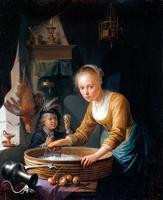
Girl Chopping Onions
Gerrit Dou
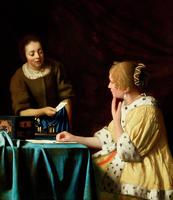
Mistress and Maid (Lady with Her Maidservant Holding a Letter )
Johannes Vermeer
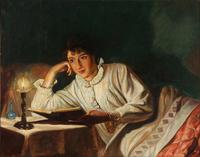
The artist's wife reads in bed
Wenzel Tornøe
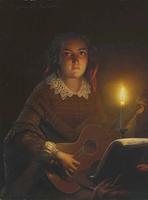
A Girl Playing a Guitar by Candlelight
Petrus van Schendel
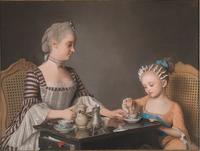
The Lavergne Family Breakfast
Jean-Étienne Liotard
A Young Woman Sealing a Letter
Otto Bache
The Indiscretion
Petrus van Schendel
By the Candlelight
Petrus van Schendel
Esau and Jacob
Matthias Stom
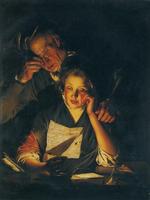
A Girl reading a Letter, with an Old Man reading over her shoulder
Joseph Wright
Portrait of a Lady with Her Dog and a Maid
Michiel van Musscher