Joseph Wright sanatçısının Inside the Arcade of the Colosseum eseri hakkında uzman analizi
Tarz: Romanticism · Tür: interior
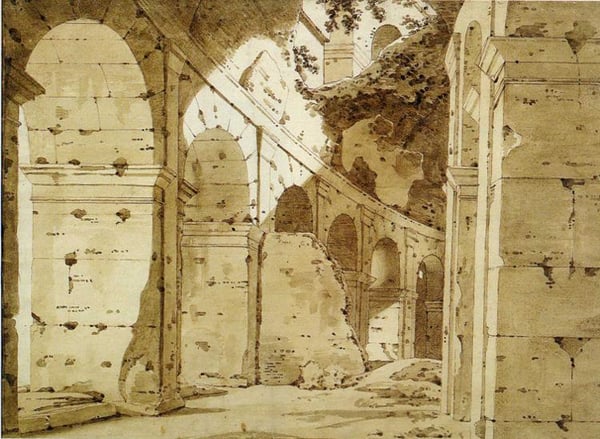
Based solely on the provided structured facts, the analysis of "Inside the Arcade of the Colosseum" by Joseph Wright, a Romanticism interior scene, focuses on what makes it significant within its style and period.
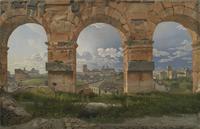
The significance of this work lies in how it embodies key Romantic ideals through the seemingly modest genre of interior. As a Romantic interior scene, it does not simply depict a space; it transforms a fragment of ancient architecture into a vehicle for sublime experience. Wright masterfully exploits the contrast between the massive, decaying structure of the Colosseum and the intimate, shadowed view of its arcade. This juxtaposition evokes the Romantic fascination with ruins—symbols of past grandeur, human mortality, and the overwhelming power of nature and time.
Furthermore, Wright’s choice of subject is significant for its evocation of light. While the facts do not specify lighting, Romantic interior scenes often rely on dramatic chiaroscuro. Here, the arcade becomes a frame for exploring the interplay between the darkness of the interior and the presumed light outside, creating a sense of mystery and emotional intensity. This technique aligns Wright with the Romantic emphasis on individual perception and emotional response—the viewer is made to feel the awe of standing within a colossal relic of antiquity, isolated yet connected to a vast historical past. The work thus elevates a simple architectural interior into a meditation on history, transience, and the sublime power of ancient ruins.
Museum / Gallery
Tür
Stil
Görsel olarak benzer
İlişkili kompozisyon ve renk paletine sahip 20 eser
Colosseum, Rome
Hubert Robert
View of the Colosseum by Night
Franz Ludwig Catel
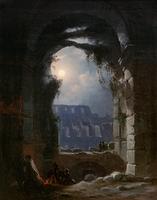
Colosseum at Night
Carl Gustav Carus
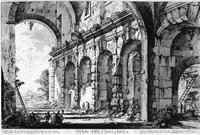
Vedute di Roma
Giovanni Battista Piranesi
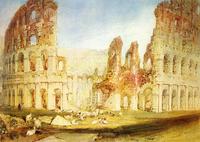
Rome, The Colosseum
J.M.W. Turner
Arched Passageways of a Ruined Building
Joseph-Marie Vien
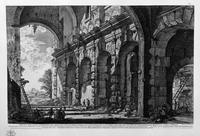
View of the upper floor of the menagerie of wild beasts made by Domitian for the use of the Flavian Amphitheatre, commonly known as the Curia and Ostilia
Giovanni Battista Piranesi
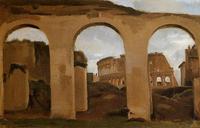
Basilica of Constantine
Camille Corot
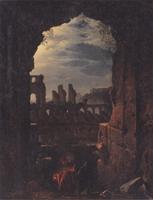
View of the Colosseum by Night
Franz Ludwig Catel
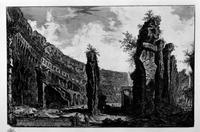
Interior View of the Flavian Amphitheatre, called the Colosseum
Giovanni Battista Piranesi
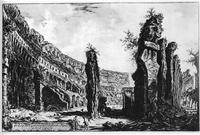
Vedute di Roma
Giovanni Battista Piranesi
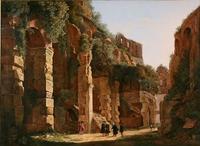
Inside the Colosseum
Franz Ludwig Catel
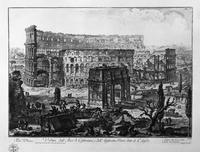
View of the Arch of Constantine and the Flavian Amphitheatre, called the Colosseum
Giovanni Battista Piranesi
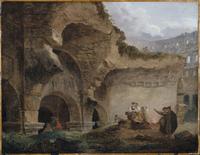
Washerwomen in the Ruins of the Colosseum
Hubert Robert
Forum Romanum with Colosseum
Johann Hermann Carmiencke
Vedute di Roma
Giovanni Battista Piranesi
View of the Colosseum
Joseph-Marie Vien
Vedute di Roma
Giovanni Battista Piranesi
Taormina
Ferdinand Knab
A View through Three Arches of the Third Storey of the Colosseum
Christoffer Wilhelm Eckersberg