Expertenanalyse zu Joseph Wrights Thomas Day
Stil: Rococo, Romanticism · Genre: portrait
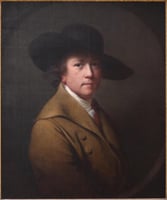
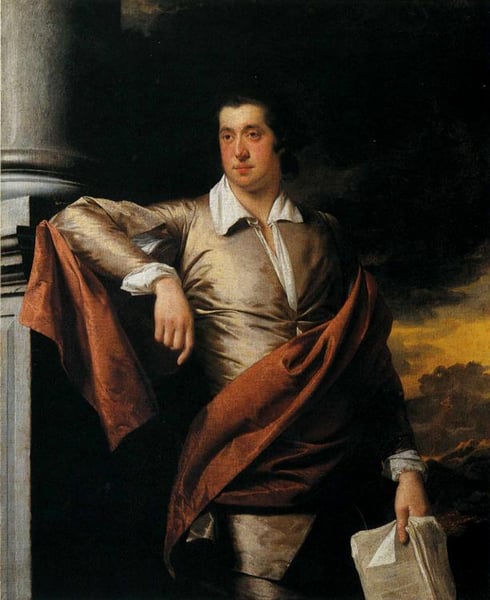
The significance of Joseph Wright’s Thomas Day lies in its position at the intersection of Rococo and Romanticism within the portrait genre. As a work by an artist known for bridging Enlightenment rationality with emotional intensity, this portrait likely combines Rococo’s characteristic elegance, soft color palettes, and graceful sitter presentation with Romanticism’s emerging emphasis on individual character, psychological depth, and a more dramatic, naturalistic engagement with light and shadow. Within the context of its period, the painting would be notable for moving beyond mere aristocratic flattery—typical of high Rococo—toward a more introspective and sincere representation of the sitter. This fusion makes the work a transitional artifact, demonstrating how portraiture evolved from decorative refinement to the expressive, interior-focused ideals that would define Romantic art.
Museum / Gallery
Visuell ähnlich
20 Werke mit ähnlicher Komposition und Farbpalette
Portrait of a Man
Nicolaes Maes
John Monso
Pompeo Batoni
Portrait of John Simpson
Angelica Kauffman
Portrait of John, 3rd Baron Monson of Burton
Pompeo Batoni
Robert Stewart, Later 1st Marquess of Londonderry
Anton Raphael Mengs
Philip, Fourth Lord Wharton
Anthony van Dyck
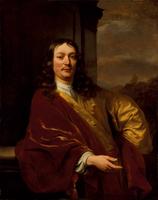
Portrait of a Man
Ferdinand Bol
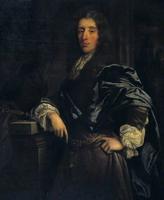
James Sotheby
John Riley
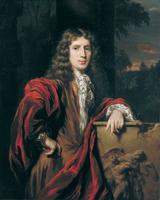
Portrait of a Man of the Campbell of Argyll Clan
Nicolaes Maes
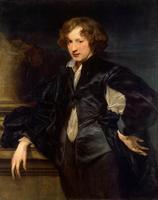
Self Portrait
Anthony van Dyck
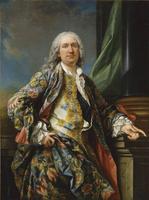
Portrait of an unknown in the reign of Louis XV
Charles-Andre van Loo (Carle van Loo)
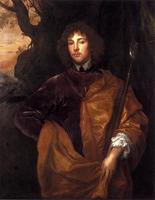
Portrait Of Philip, Lord Wharton
Anthony van Dyck
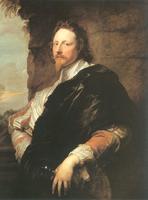
Nicholas Lanier
Anthony van Dyck
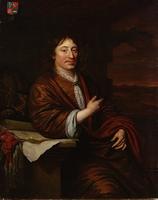
Gerard Pietersz. Hulft
Michiel van Musscher
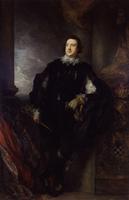
Charles Howard, 11th Duke of Norfolk
Thomas Gainsborough
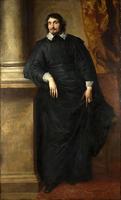
Portrait of the Abbe Scaglia
Anthony van Dyck
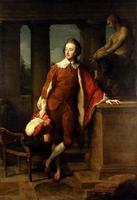
Portrait of Anthony Ashley-cooper, 5th Earl of Shaftesbury
Pompeo Batoni
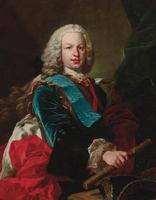
Portrait of Ferdinand Vi of Spain
Jean-Baptiste van Loo
Sir Joseph Banks
Benjamin West
Portrait of a Man
Ferdinand Bol