Expert analysis of Gino Severini’s Still Life
Style: Cubism · Genre: still life
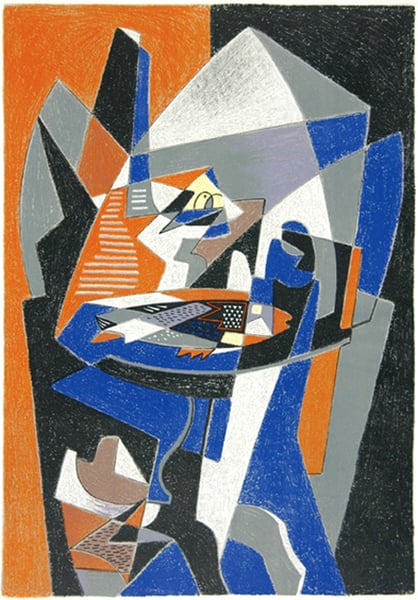
This Still Life by Gino Severini is a significant work within the Cubist movement, particularly for how it demonstrates the artist’s unique position at the intersection of Cubism and Futurism. While adhering to the Cubist genre of still life—fragmenting objects like bottles, fruit, and tabletop planes into geometric facets—Severini infuses the composition with a rhythmic, dynamic energy that distinguishes his approach from the more static, analytical works of Picasso or Braque.
The painting’s importance lies in its synthesis: Severini maintains the classic Cubist concern with multiple viewpoints and the deconstruction of form, yet he also introduces a sense of movement and vibrant color that pushes the still life beyond pure analysis. This bridging of two avant-garde styles makes Severini a key figure in the transnational spread of Cubism, showing that the style was not merely a French phenomenon but adaptable to other artistic sensibilities. In Still Life, the familiar objects become almost musical in their arrangement—a hallmark of Severini’s belief that art should express the rhythms of modern life, even within the traditionally static genre of still life.
Visually similar
20 works with related composition and palette
Wounded bird
Pablo Picasso
Night
Chaldin Alex
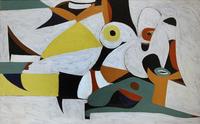
Composition
Arshile Gorky
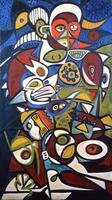
Bird Woman
Richard Pousette-Dart
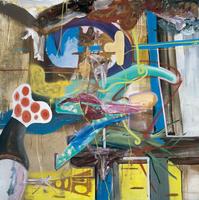
Peon
Albert Oehlen
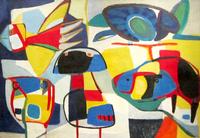
-
Karel Appel
Mythe
Ernst Wilhelm Nay
Untitled
Taro Okamoto
Composition (abstract)
Hryhorii Havrylenko
Tolérance
Georges Troubat
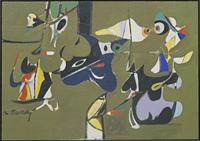
The Garden in Sochi
Arshile Gorky
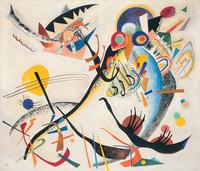
Blue segment
Wassily Kandinsky
Untitled
Artin Demirci
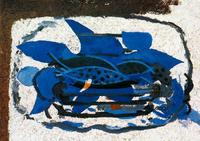
Blue Aquarium
Georges Braque
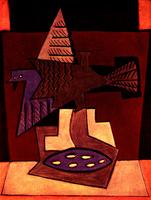
Birds of a Feather
Pablo Picasso
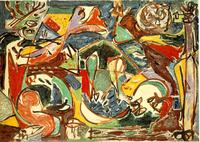
The key
Jackson Pollock
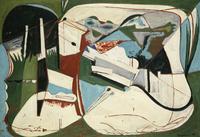
Landscape of Olympia
Yiannis Tsaroychis
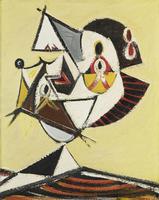
Portrait (Head)
Arshile Gorky
Bottle of Beaune and a Fruit Dish
Juan Gris
Bust of a woman and self-portrait
Pablo Picasso