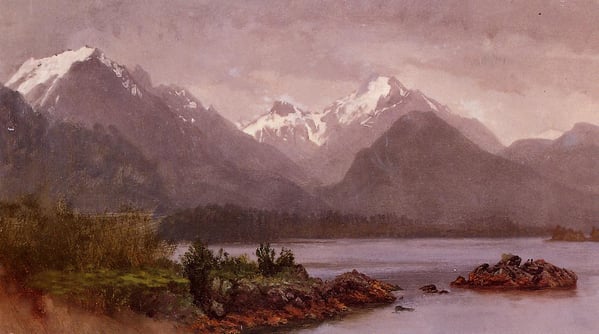
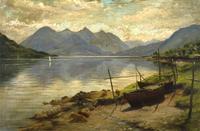
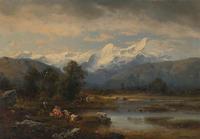
Analysis of "The Grand Tetons, Wyoming" by Albert Bierstadt
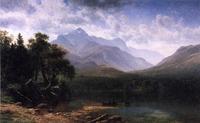
As a supreme example of Luminism—a mid-19th-century American painting style characterized by precise detail, smooth brushwork, and an almost palpable treatment of light—Bierstadt’s The Grand Tetons, Wyoming elevates the landscape genre into a transcendent, quasi-spiritual experience. The work’s significance lies in its masterful fusion of the Hudson River School’s reverence for nature with Luminism’s signature clarity and radiance. Bierstadt captures the Teton Range with meticulous realism, yet bathes the scene in a soft, glowing atmosphere that suggests an idealized, pristine wilderness. This combination of topographic accuracy and luminous, almost ethereal light was central to Luminism’s goal of portraying nature as a divine, harmonious order. Within Bierstadt’s oeuvre, this painting stands as a testament to how Luminist techniques could transform a specific geographic location into a universal symbol of American grandeur and spiritual renewal—key themes that defined the era’s landscape painting and its role in shaping national identity.