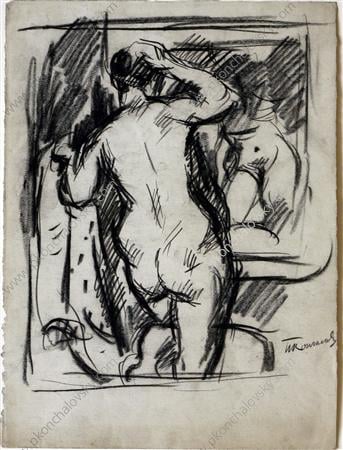
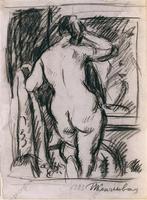
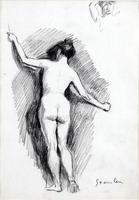
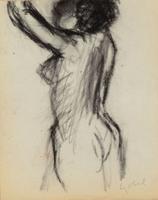
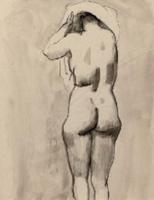
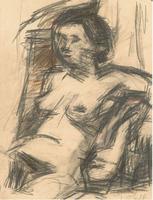
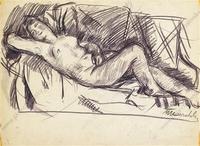
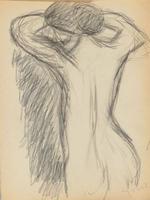
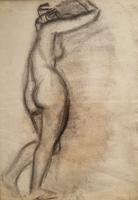
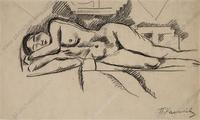
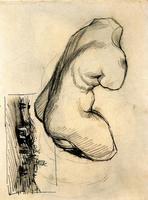
Analysis of "The woman in front of a mirror" by Pyotr Konchalovsky
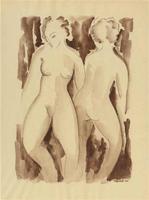
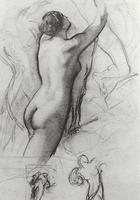
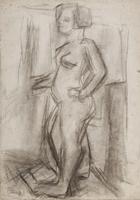
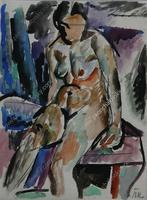
As a Post-Impressionist sketch and study, this work is significant for its emphasis on the spontaneous, process-driven exploration of form and color that defines the movement’s break from naturalism. The genre—sketch and study—places the artwork within a crucial artistic tradition: the deliberate, unfinished state that captures the artist’s immediate impressions and technical experimentation. In Konchalovsky’s hands, the subject of a woman before a mirror, a classic motif of self-examination and vanity, becomes a vehicle for Post-Impressionist concerns—namely, the subjective rendering of light, reflection, and psychological tension through bold, energetic brushwork and heightened color contrasts. The study format allows Konchalovsky to prioritize compositional ideas and painterly gestures over polished detail, revealing the intellectual and sensory process behind the final image. Within the Post-Impressionist period, such sketches were valued for their authenticity and directness, and this work exemplifies how Konchalovsky contributed to the movement’s shift toward expressive, non-naturalistic representation.