Analisi esperta di Study for portrait of unknown woman di Maurice Quentin de La Tour
Stile: Rococo · Genere: sketch and study
Expert Analysis: "Study for Portrait of an Unknown Woman" by Maurice Quentin de La Tour
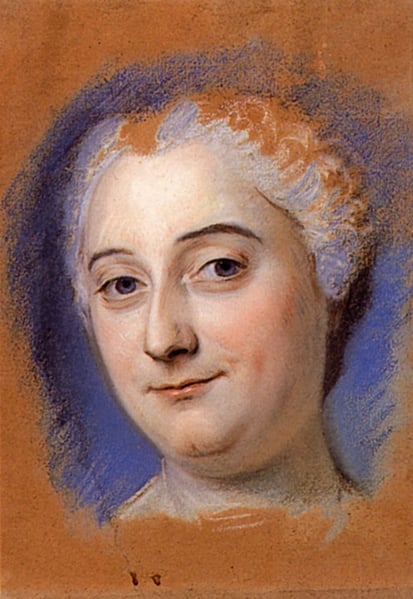
This delicate sketch, a preparatory study by the master pastellist Maurice Quentin de La Tour, offers a rare glimpse into the working methods of one of the Rococo era’s most celebrated portraitists. While La Tour’s finished pastels are renowned for their luminous surfaces and flattering depictions of Enlightenment society, this unfinished study reveals the artist’s core priorities: psychological immediacy and structural simplicity.
Significance within the Rococo Style: The Rococo period prized elegance, intimacy, and playful sensuality—qualities often achieved through soft color, ornamental detail, and theatrical composition. Yet La Tour’s study subverts those expectations. Here, the subject’s identity remains unknown, stripping away the social markers of rank, fashion, or setting. Instead, the artist focuses on the raw architecture of the face: the tilt of the head, the shadow beneath the jaw, the suggestion of a faint smile. This directness aligns with La Tour’s reputation for capturing fleeting expressions—a skill that made him the preferred portraitist of intellectuals like Voltaire and Madame de Pompadour.
Genre as a Key to Understanding: As a sketch and study, this work is not a finished commission but a private exploration. In the 18th century, such studies were rarely exhibited; they were tools for refining composition or testing a sitter’s likeness. La Tour’s choice to preserve this study—and his decision to leave the hair and costume as mere outlines—demonstrates his belief that character could be read through gesture and contour alone. The unfinished areas (the vacant background, the soft, unblended strokes around the shoulders) create a tension between presence and absence, making the viewer a quiet witness to the artist’s creative process.
La Tour’s Technical Mastery: Unlike oil painters, La Tour worked primarily in pastel, a medium that discouraged heavy revision. This study likely served as a rapid notation—a way to fix a momentary impression before the sitter grew weary. The handling is free yet precise: subtle hatching models the cheek, a single dark stroke defines the eyelid, and a faint wash of pastel dust suggests a blush. This economical technique, combined with the unknown woman’s direct gaze, invests the image with an uncanny vitality. It anticipates the psychological depth later found in Degas’s studies and even modern portraiture’s fixation on inner life over outward display.
Conclusion: “Study for a Portrait of an Unknown Woman” stands as a testament to La Tour’s belief that a great portrait must begin with truth, not artifice. In a period defined by decorative excess, this quiet, unfinished sketch reminds us that the Rococo was also capable of startling intimacy—and that an unknown sitter, caught in the act of being observed, can transcend her anonymity to become a universal human presence.
Visivamente simili
20 opere con composizione e palette affini
Mademoiselle Camargo
Maurice Quentin de La Tour
Preparation to the portrait of Madame de Pompadour
Maurice Quentin de La Tour
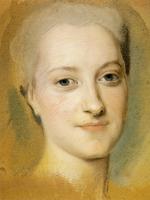
Princess Christina of Saxony
Maurice Quentin de La Tour
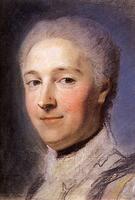
Study for portrait of unknown woman
Maurice Quentin de La Tour
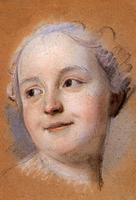
Study for portrait of unknown woman
Maurice Quentin de La Tour
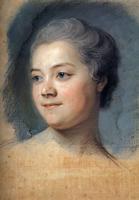
Mademoiselle Chacrylique sur Toileagner de La Grange
Maurice Quentin de La Tour
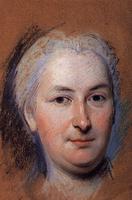
Preparation to the portrait of Anne Charlotte Roussel, Marquise de Courcy
Maurice Quentin de La Tour
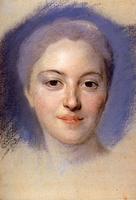
Study for portrait of unknown woman
Maurice Quentin de La Tour
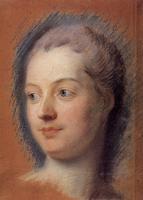
Madame de Pompadour
Maurice Quentin de La Tour
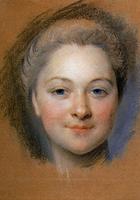
Study to portrait of unknown woman
Maurice Quentin de La Tour
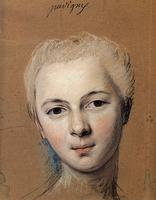
Mademoiselle Pavigne
Maurice Quentin de La Tour
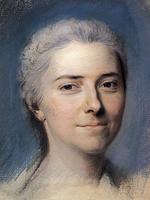
Study for portrait of Mademoiselle Dangeville
Maurice Quentin de La Tour
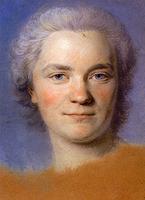
Preparation to the portrait of Mrs. Rougeau
Maurice Quentin de La Tour
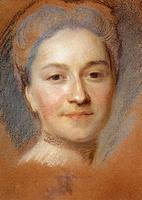
Study of the portrait
Maurice Quentin de La Tour
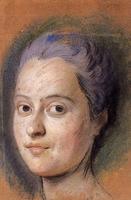
Preparation to the portrait of the Dauphine Marie Josephe of Saxony
Maurice Quentin de La Tour
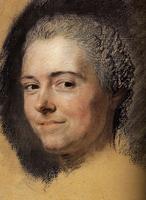
Study for portrait of Mademoiselle Dangeville
Maurice Quentin de La Tour
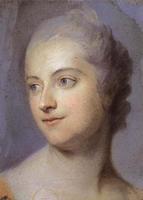
Portrait of Madame de Pompadour
Maurice Quentin de La Tour
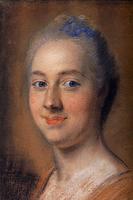
Study for portrait of unknown woman
Maurice Quentin de La Tour
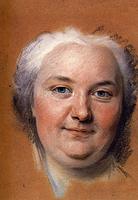
Preparation to the portrait of Anne Julie Boetie of St. Leger
Maurice Quentin de La Tour
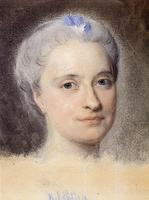
Marie Josephe of Saxony
Maurice Quentin de La Tour