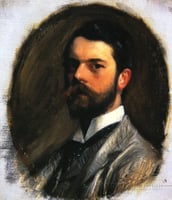
Analisi esperta di Charles Stuart Forbes di John Singer Sargent
Stile: Impressionism · Genere: portrait
Expert Analysis: Charles Stuart Forbes by John Singer Sargent
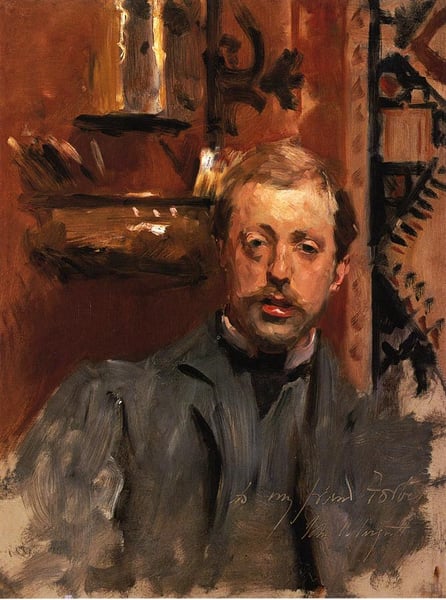
John Singer Sargent’s Charles Stuart Forbes stands as a compelling example of how the artist synthesized the vitality of Impressionism with the refined traditions of portraiture. Painted during a period when Sargent was at the height of his powers, this work demonstrates his uncanny ability to capture both physical likeness and psychological presence through a distinctly modern lens.
Significance within Style and Genre
As an Impressionist portrait, the painting breaks from the stiff, highly polished conventions of earlier academic portraiture. Sargent employs loose, visible brushwork—especially in the rendering of the sitter’s clothing and background—that suggests atmosphere and immediacy rather than meticulous detail. The skin tones are handled with broad, confident strokes that model the face without losing a sense of living, breathing animation. This technique aligns with the Impressionist goal of capturing a fleeting moment, yet Sargent never sacrifices the sitter’s individuality or social status, a hallmark of his genius.
Composition and Character
The composition is intimate yet assured. Charles Stuart Forbes is presented in three-quarter view, his gaze meeting the viewer with a directness that implies confidence and ease. Sargent masterfully balances the darker tones of the subject’s attire with a lighter, more atmospheric background—likely rendered with rapid, broken color—which pushes the figure forward while integrating him into a painterly environment. The subtle modulation of light across the face and hands demonstrates Sargent’s fluency with tonal values, a skill he inherited from Velázquez and adapted to Impressionist spontaneity.
Enduring Significance
What makes Charles Stuart Forbes significant is how it epitomizes Sargent’s role as a bridge between tradition and modernity. While his contemporaries in the Impressionist movement often rejected portraiture as too commercial, Sargent proved that the genre could be both brilliantly executed and aesthetically revolutionary. This painting showcases his ability to elevate a commissioned likeness into a work of art that feels alive, spontaneous, and deeply human—a quality that secured his reputation as the preeminent portraitist of his era.
Visivamente simili
20 opere con composizione e palette affini
Portrait of the painter Giuseppe Barison
Umberto Veruda
Portrait of the painter Rafael Senet y Perez
Umberto Veruda
Retrato de Teófilo Braga
Columbano Bordalo Pinheiro
Esposito, Composer
Sarah Purser
Self Portrait
Giovanni Boldini
Portrait of Pavel Chistyakov
Ilya Repin
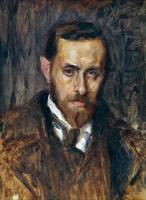
Portrait of the painter Arturo Fittke
Umberto Veruda
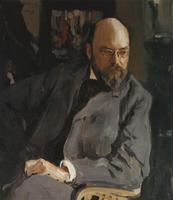
Portrait of the Artist I.S. Ostroukhov
Valentin Serov
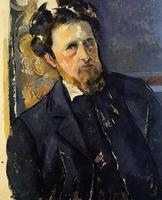
Portrait of Joachim
Paul Cezanne
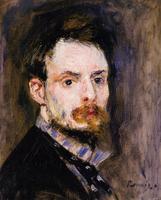
Self-Portrait
Pierre-Auguste Renoir
Portrait of a Man
Paul Cezanne
Portrait of Tadeusz Boy-żeleński
Leon Wyczółkowski
Portrait of the painter Eugenio Scomparini
Umberto Veruda
The Count of Artal
Joaquín Sorolla
Self portrait
Isaac Levitan
Portrait of L.P. Albrecht
Boris Kustodiev
Portrait of Professor Dr. Carl Bernstein
Max Liebermann
Portrait of the painter Guido Grimani
Umberto Veruda
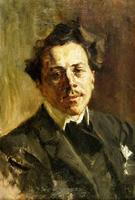
Portrait of the painter Ugo Flumiani
Umberto Veruda
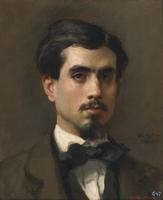
The Painter Juan Rivas Y Ortiz
Raimundo de Madrazo