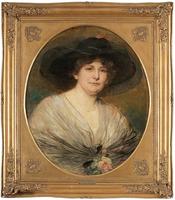
Analysis of "Mrs. Charles Hunter" by John Singer Sargent
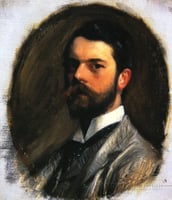
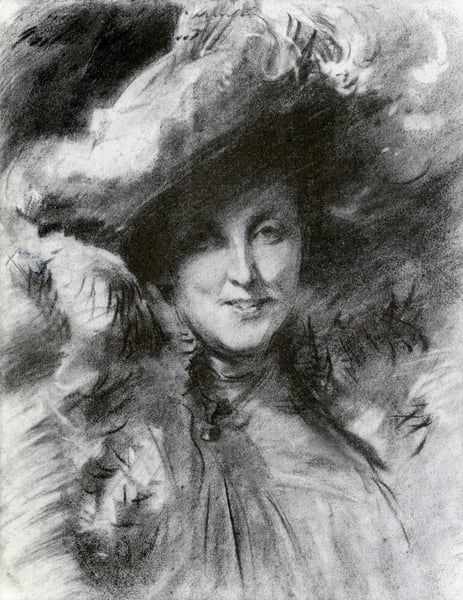
Based solely on the supplied facts—the artwork's title, its style (Realism), and its genre (portrait)—its significance lies in how Sargent's Realist approach redefined the formal portrait.
In the late 19th century, Realism in portraiture was a departure from idealized or romanticized depictions. Sargent’s commitment to capturing an unflinching, psychologically acute likeness elevated the genre from mere documentation to a study of character. "Mrs. Charles Hunter" would have been part of this shift, using precise observation of light, texture, and posture to suggest the sitter’s social status and inner life without sentimentality.
As a Realist portrait, the work demonstrates Sargent’s ability to merge technical virtuosity—fluid brushwork and naturalistic color—with a candid sense of presence. This made his portraits both fashionable among the elite and critically respected as serious art. The painting’s significance thus stems from its embodiment of the Realist aim: to present a truthful, immediate human image, while also advancing the portrait genre as a vehicle for modern artistic expression.