Analisi esperta di Peter A. B. Widener di John Singer Sargent
Stile: Realism · Genere: portrait
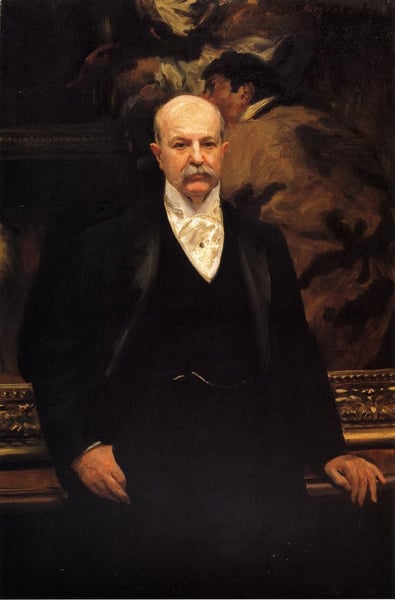
As an expert art historian, I will analyze John Singer Sargent's Peter A. B. Widener within the context of Realism and the portrait genre, using only the structured facts provided.
Analysis:
John Singer Sargent’s Peter A. B. Widener stands as a significant example of late 19th-century Realist portraiture, primarily because it elevates the genre beyond mere likeness into a penetrating study of character and social station. While the style is Realism, Sargent’s approach is anything but pedestrian. The work’s significance lies in how it synthesizes photographic verisimilitude—a hallmark of Realism—with the psychological insight and painterly bravura that defined Sargent’s masterful hand.
Within the Realist Style: Sargent adheres to Realism’s core tenet of depicting the sitter with unidealized, observable truth. The faithful rendering of Widener’s features, the texture of his clothing, and the subtle play of light across his face ground the portrait in tangible reality. However, Sargent pushes Realism further by using that precision not merely to record but to reveal. The careful modulation of tone and the confident, visible brushstrokes (a technique Sargent perfected) demonstrate that Realism could be both accurate and expressive. This portrait is significant because it proves Realism need not be static; it can capture the fleeting impression of a living person while maintaining rigorous fidelity to appearance.
Within the Portrait Genre: As a portrait, this work transcends the typical commissioned likeness. Peter A. B. Widener was a prominent industrialist and art collector, and Sargent captures the essence of Gilded Age power and cultural ambition. The composition likely emphasizes Widener’s status through a dignified pose and refined backdrop, while the direct gaze and subtle demeanor suggest not just wealth but intellectual poise. The portrait’s significance is its function as a dual document: it immortalizes an individual’s legacy while also serving as a shining example of how Realist portraiture could articulate social identity. Sargent’s ability to convey the sitter’s character—his seriousness, his position, his cultivated taste—through the strict language of realism is what makes this work a touchstone of the period. It demonstrates that Realism in portraiture was not a retreat from artistry but a refined tool for deep human observation.
Museum / Gallery
Visivamente simili
20 opere con composizione e palette affini
The Hon. Dr. L. I. Smith
Tom Roberts
Portrait of Ivan Morosov
Konstantin Korovin
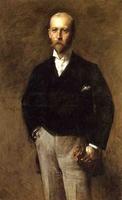
Portrait of William Charles Le Gendre
William Merritt Chase
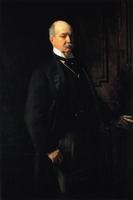
Peter A. B. Widener
John Singer Sargent
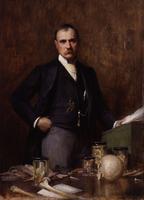
Sir Frederick Treves, Bt.
Luke Fildes
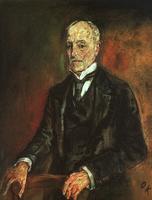
Portrait of Commerce Counselor Ebenstein
Oskar Kokoschka
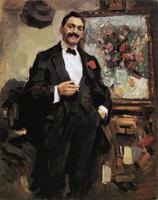
Portrait of a Hungarian artist József Ripley Ronai
Konstantin Korovin
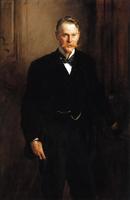
George Frederick McCorquodale
John Singer Sargent
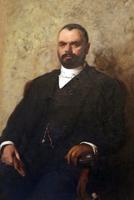
Portrait of Dr. A. Colombo
Cesare Tallone
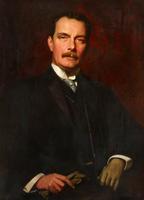
Frederic Francois Burghard
William Logsdail
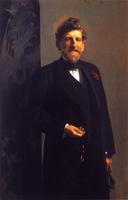
Senator Calvin Brice
John Singer Sargent
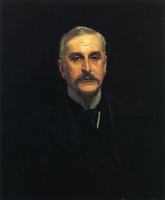
Colonel Thomas Edward Vickers
John Singer Sargent
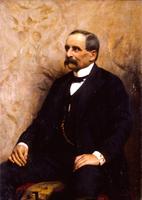
Portrait of count Aldo Annoni
Cesare Tallone
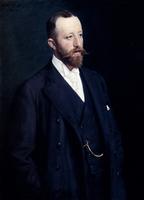
Portrait Of A Gentleman
Peder Severin Kroyer
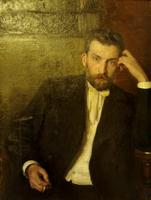
Portrait of the artist Albert Benois
Nikolai Kuznetsov
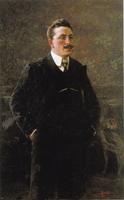
Portrait of the photographer Ettore Pesci
Amedeo Bocchi
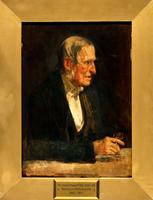
Sir James Paget Bt., Surgeon and Pathologist
Solomon Joseph Solomon
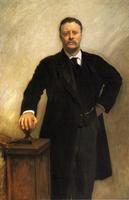
Portrait of Theodore Roosevelt
John Singer Sargent
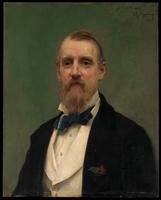
Samuel P. Avery
Raimundo de Madrazo
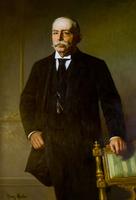
Augustus O. Bourn's, official portrait
Henry Mosler