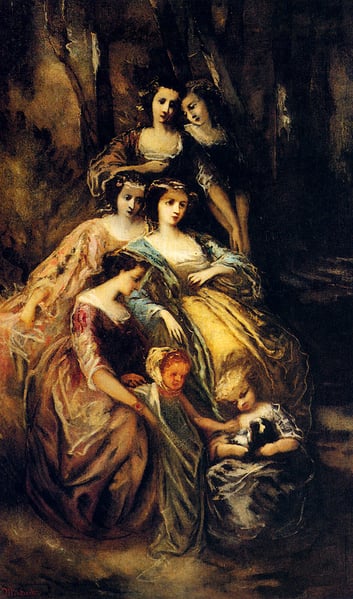
Adolphe Joseph Thomas Monticelli の Empress Eugenie And Her Attendants の専門的な分析
スタイル:Romanticism · ジャンル:portrait
Expert Analysis: Empress Eugenie and Her Attendants by Adolphe Joseph Thomas Monticelli
Style/Period Context:
Created within the broader Romantic movement, Monticelli’s portrait of Empress Eugénie (wife of Napoleon III) diverges sharply from the polished, rigid official court portraits typical of the Second Empire. Instead, it exemplifies Romanticism’s emphasis on emotional intensity, vivid color, and a painterly freedom that anticipates Impressionism.
Significance Within the Portrait Genre:
Monticelli was renowned for his use of heavy impasto, luminous glazes, and jewel-toned palettes—techniques that here transform a state portrait into a dreamlike, almost theatrical tableau. The empress and her attendants are not meant to be exact likenesses but rather vehicles for mood and decorative splendor. Their faces are often generalized, while the sumptuous fabrics, flowers, and light catch the viewer’s attention.
What Makes It Stand Out:
- Color and Texture: Monticelli builds the composition with thick, separate strokes of crimson, gold, and sapphire, creating a shimmering surface that gives the figures a sense of motion and intimacy. This foreshadows Van Gogh’s later admiration for Monticelli’s work.
- Psychological Atmosphere: Rather than asserting imperial authority, the painting evokes a private, almost melancholic elegance. The attendants seem absorbed in their own reveries, and the empress appears pensive—a Romantic ideal of the ruler as a sensitive, complex individual.
- Departure from Academic Conventions: Unlike Ingres or Winterhalter’s flawless renditions of Eugénie, Monticelli subordinates precise draftsmanship to expressive color and light, aligning the work with Romanticism’s rebellion against Neoclassical rules.
Legacy:
Monticelli’s portrait remains significant as a bold reinterpretation of aristocratic portraiture—one that prioritizes subjective vision and visual sensation over official grandeur. It bridges Romanticism’s passion and Impressionism’s emerging interest in optical effects, and it reveals how even a conventional subject could be infused with deeply personal, painterly emotion.
Museum / Gallery
視覚的に類似
構図やパレットが近い作品 20 件
The Empress Eugenie Surrounded by her Ladies in Waiting
Franz Xaver Winterhalter
Portrait of Countess A S Protasova with Her Nieces
Angelica Kauffman
Lady Elizabeth Thimbleby and Dorothy, Viscountess Andover
Anthony van Dyck
La Siesta
Franz Xaver Winterhalter
The Marquise de Pezay, and the Marquise de Rougé with Her Sons Alexis and Adrien
Louise Elisabeth Vigee Le Brun
Lady Elizabeth Thimbelby and her Sister
Anthony van Dyck
A Concert (Le concert amoureux)
Jean-Baptiste Pater
The Walsh Sisters
Thomas Sully
Josephine and the Fortune Teller
David Wilkie
The Linley Sisters (Mrs. Sheridan and Mrs. Tickell)
Thomas Gainsborough
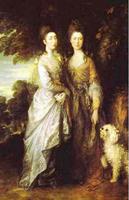
The Painter's daughters
Thomas Gainsborough
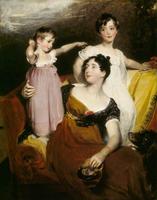
Lydia Elizabeth Hoare, Lady Acland, with Her Two Sons, Thomas, Later 11th Bt, and Arthur
Thomas Lawrence
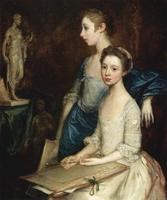
Portrait of the Molly and Peggy
Thomas Gainsborough
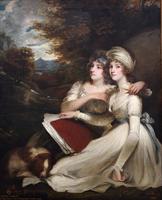
The Frankland Sisters
John Hoppner
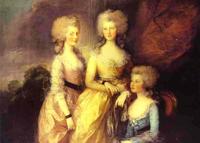
The three eldest daughters of George III: Princesses Charlotte, Augusta and Elizabeth
Thomas Gainsborough
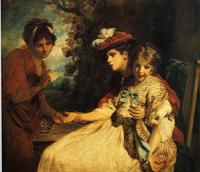
The Gypsy Fortune Teller
Joshua Reynolds
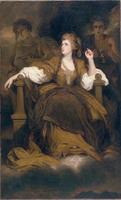
Mrs Siddons as the Tragic Muse
Joshua Reynolds
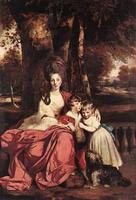
Lady Delme and her Children
Joshua Reynolds
Catherine, Lady Bampfylde
Joshua Reynolds
The Decameron
Franz Xaver Winterhalter