Analisi esperta di The Kiss di Constantin Brâncuși
Stile: Expressionism · Genere: sculpture
Analysis of "The Kiss" by Constantin Brâncuși
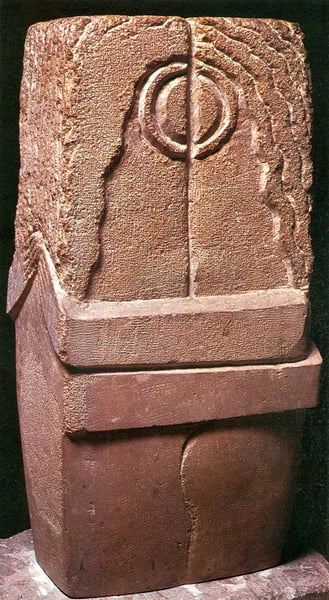
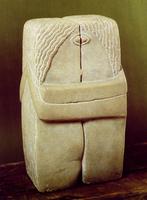
As an Expressionist sculpture, Brâncuși’s The Kiss stands as a radical departure from traditional figurative carving, embodying the movement’s core imperative to convey raw human emotion through distortion and simplification. Rather than reproducing anatomical accuracy, the work compresses two embracing figures into a single, block-like form. The arms wrap around each other in a continuous, unbroken line, and the faces merge at the forehead and lips—a deliberate, expressive abstraction that transforms the act of kissing into a universal symbol of unity and intimacy. The rough, direct carving (a hallmark of Brâncuși’s technique) leaves chisel marks visible, emphasizing the physicality of creation and channeling emotional intensity through the material itself. Within the Expressionist tradition, which sought to externalize inner feeling over external likeness, The Kiss achieves significance by distilling love and connection to its most elemental, almost primal shape. This work also anticipates later modernist developments in its bold reduction of form, placing Brâncuși at the cusp of a sculptural revolution that would prioritize emotion and essence over representation.
Visivamente simili
20 opere con composizione e palette affini
The Kiss
Constantin Brâncuși
Female Deity
Aztec Art
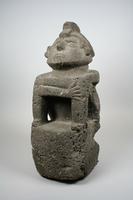
Seated Male Deity
Aztec Art
Moses
Marc Chagall
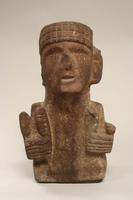
Maize Deity (Chicomecoatl)
Aztec Art
Relief
Aztec Art
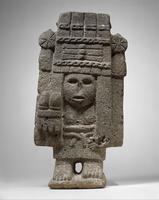
Maize Deity (Chicomecoatl)
Aztec Art
Female Deity
Aztec Art
Standard Bearer
Aztec Art
Maize Deity (Chicomecoatl)
Aztec Art
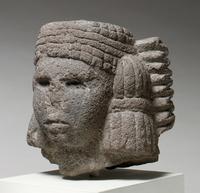
Head of a Water Deity (Chalchiuhtlicue)
Aztec Art
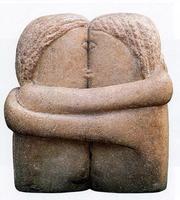
The Kiss
Constantin Brâncuși
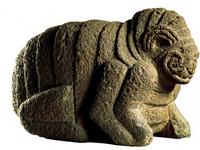
Flea
Aztec Art
Figure
Aztec Art
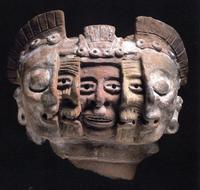
Fragment of An Anthropomorphic Brazier
Aztec Art
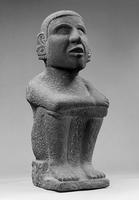
Seated Male
Aztec Art
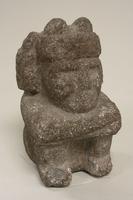
Seated Male Deity
Aztec Art
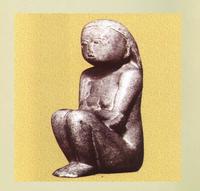
Wisdom
Constantin Brâncuși
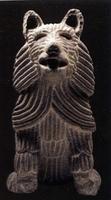
Coyote
Aztec Art
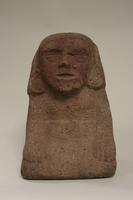
Kneeling Female Figure
Aztec Art