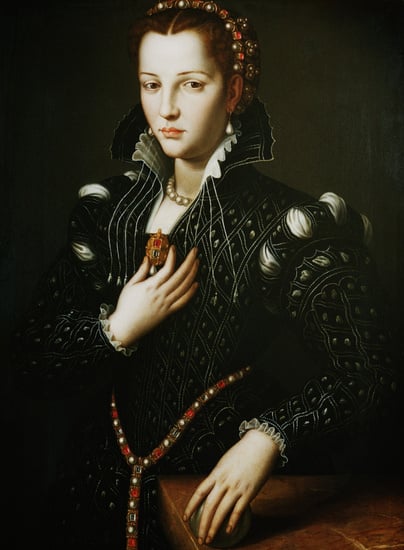
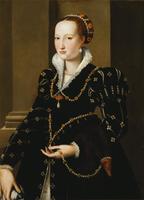
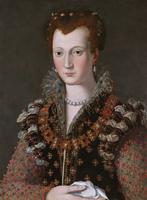
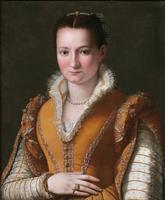
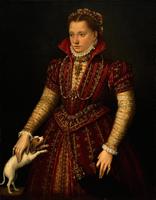
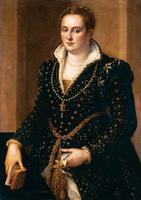
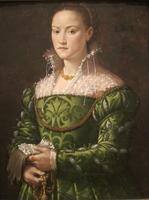
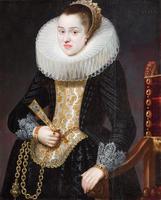
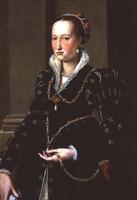
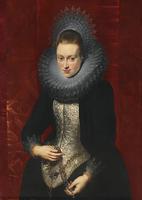
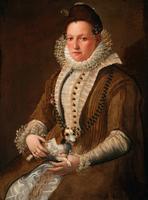
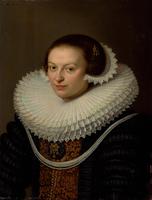
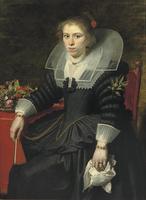
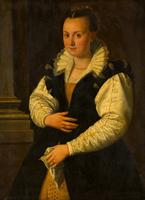
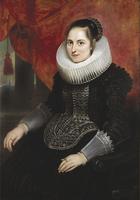
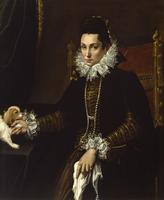
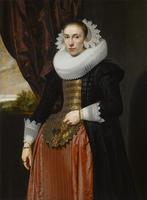
This portrait exemplifies the hallmarks of Mannerism within the genre of portraiture. Its significance lies in the deliberate departure from High Renaissance naturalism and psychological immediacy. Instead, Bronzino’s treatment—consistent with the Late Renaissance Mannerist style—prioritizes aristocratic elegance and intellectual artifice. The figure is rendered with a cool, polished surface; refined, elongated proportions; and a detached, almost haughty expression. These elements create a sense of aloofness and idealized courtly sophistication. As a Mannerist portrait, the work emphasizes formal perfection, intricate surface detail, and emotional distance over individual character, reflecting the period’s fascination with complex, self‑conscious artistry and the cultivation of an elite, intellectual aesthetic.