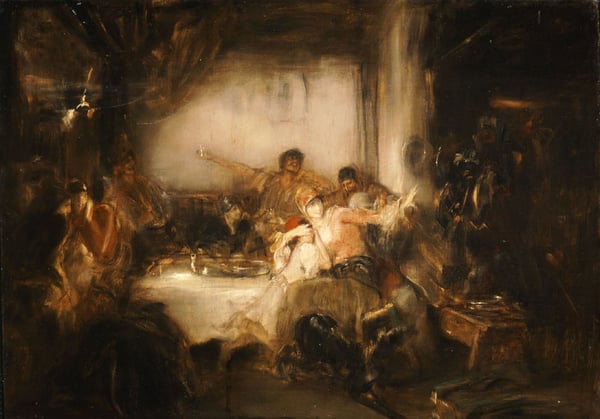
Expert analysis of Nikolaos Gyzis’s Carnival in Athens
Style: Romanticism · Genre: genre painting
Expert Analysis: "Carnival in Athens" by Nikolaos Gyzis
This work exemplifies the Romanticist embrace of national identity and emotional immediacy through the lens of genre painting. Gyzis, a leading figure of the Munich School, channels Romanticism’s fascination with folk culture and the sublime in daily life by capturing a moment of public revelry. The scene’s vivid energy—masked figures, dance, and communal celebration—serves as a visual manifesto of Greek national spirit during a period of cultural rebirth following the War of Independence. By elevating a carnival, a transient popular festival, into a subject of high art, Gyzis aligns with Romanticism’s rejection of neoclassical restraint in favor of authentic, lived experience. The painting’s significance lies in its synthesis: it is both a faithful record of Athenian social customs and a Romantic paean to the unscripted joy of a people asserting their modern identity. This balance of documentary specificity and emotional resonance marks a key moment in 19th-century Greek painting, where genre scenes become vehicles for national romanticism.
Genre
Style
Visually similar
20 works with related composition and palette
Polonia
Jan Matejko
Death of Petronius
Konstantin Makovsky
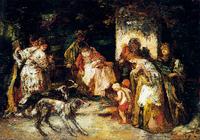
The Offering
Adolphe Joseph Thomas Monticelli
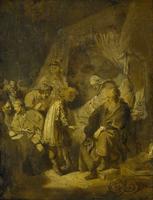
Joseph tells his dreams to his parents and brothers
Rembrandt
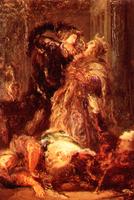
Prince Hamlet kill King Claudius
Gustave Moreau
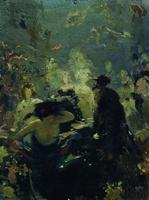
Sadko in the Underwater Kingdom
Ilya Repin
Catechising in a Scottish School
George Harvey
Don Juan's Encounter with the Stony Gues
Max Slevogt
Salon
J.M.W. Turner
The Arrest of Christ
Francisco Goya
Dressing the Dead Girl (Dressing the Bride)
Gustave Courbet
Sertine School
Domenico Induno
Dinner in a Great Room with Figures- in Costume
J.M.W. Turner
Juerga flamenca en la feria
Manuel Rodriguez de Guzman
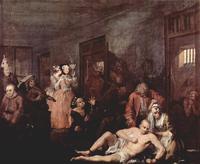
Le Libertin à Bedlam
William Hogarth
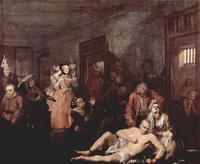
The Madhouse
William Hogarth
Mother with children
Ludwig Knaus
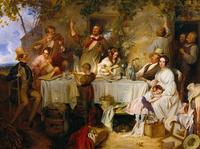
Wein, Weib und Gesang
Josef Danhauser
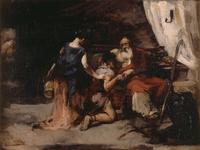
The blessing of Isaac
Joaquín Sorolla
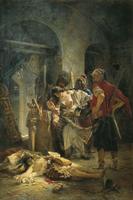
The Bulgarian Martyresses
Konstantin Makovsky