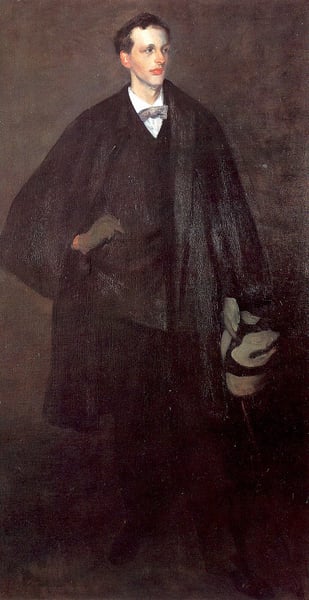
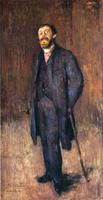
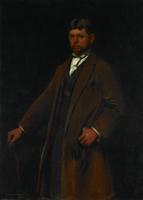
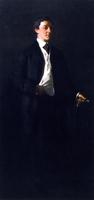
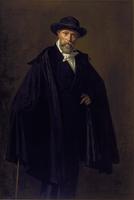
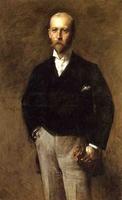
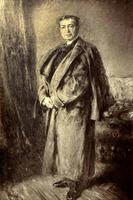
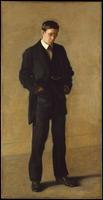
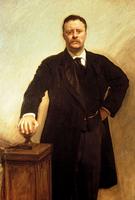
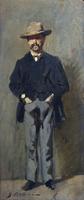
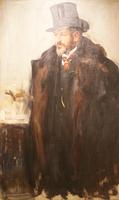
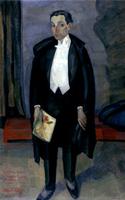
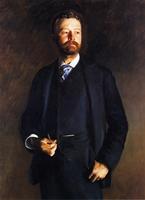
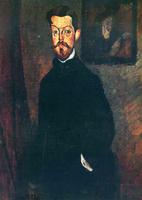
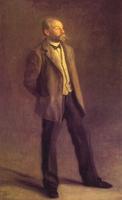
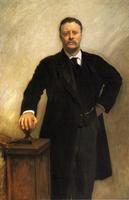
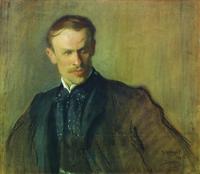
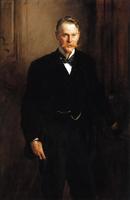
As a New Realist portrait, "Portrait of Charles Fitzgerald" by William James Glackens is significant for its direct, unidealized depiction of the sitter, reflecting the movement’s commitment to capturing contemporary life with honesty and immediacy. The work moves away from academic formalities, focusing instead on psychological presence and character through expressive handling. Glackens’ approach—balancing vivid, impressionistic color with a realist’s attention to the individual—marks a key moment in American art, where the Ashcan School’s vernacular subject matter converges with modern painterly technique. This piece exemplifies how New Realism elevated the portrait genre from mere likeness to a study of personality and social context.