Based solely on the provided structured facts, the following analysis is offered:
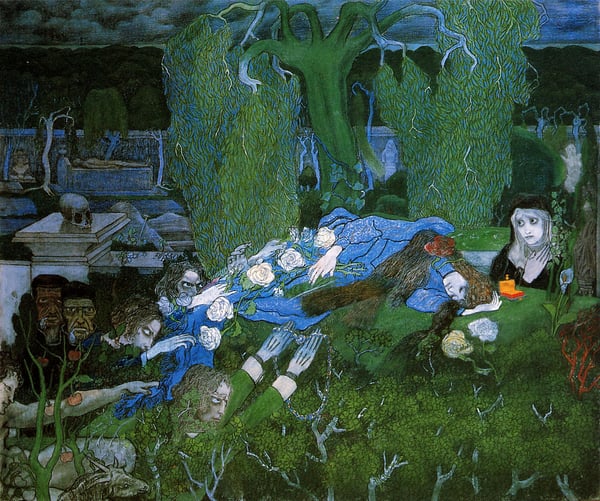
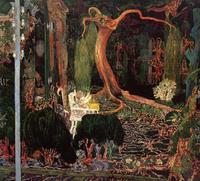
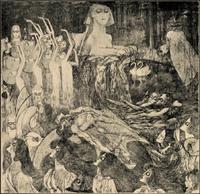
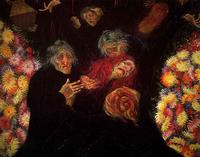
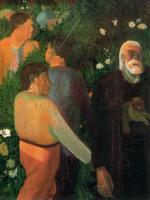
“The vagabonds” by Jan Toorop is a significant work within the Symbolist movement. As a symbolic painting, its primary significance lies not in a literal depiction of wandering figures, but in its evocation of intangible ideas and emotional states typical of the Symbolist ethos. The subject of vagabonds—figures existing on the margins of society and defined by an itinerant existence—serves as a powerful cipher for universal themes: alienation, the search for meaning, the transience of life, or the spiritual journey of the soul.
Toorop’s treatment elevates these wanderers from mere genre figures to symbolic archetypes. The painting’s significance is its embodiment of the Symbolist goal to represent inner experience—dreams, anxieties, and metaphysical yearnings—through stylized, evocative imagery rather than realistic narrative. The vagabonds become carriers of a deeper, often melancholic, symbolism about the human condition, making the work a key example of how Symbolist art uses everyday motifs to access the profound and the mystical.