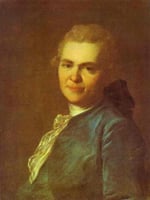
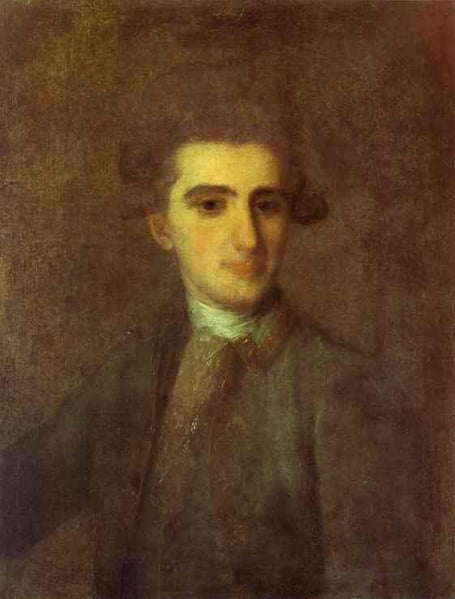
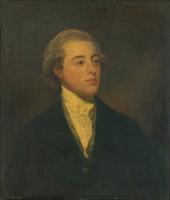
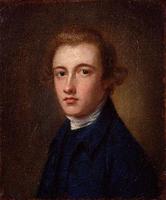
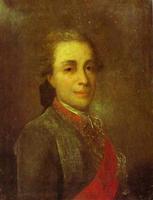
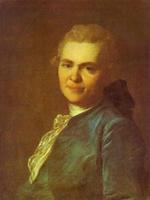
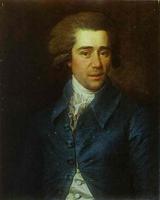
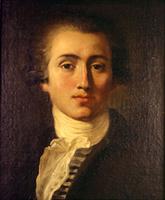
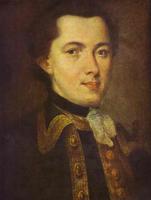
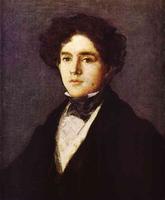
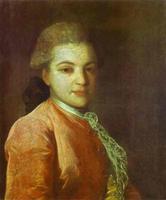
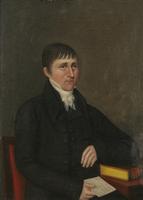
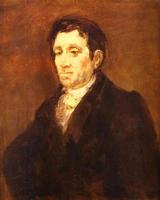
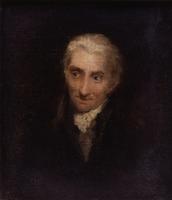
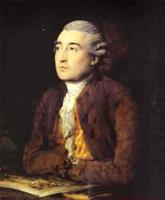
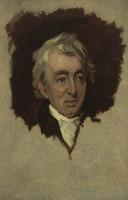
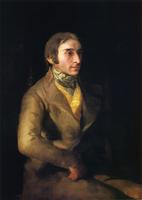
This artwork is a significant example of Rococo portraiture, a style that flourished in the 18th century and prized elegance, refinement, and a sense of aristocratic grace. As a portrait by Fyodor Rokotov, it embodies the Rococo emphasis on soft, luminous color, delicate brushwork, and a subtle interplay of light and shadow that flatters the sitter while conveying their social standing. The genre itself—a portrait—allows Rokotov to highlight both the external poise and the inner life of N.E. Struisky, a hallmark of Rococo portraiture’s shift toward capturing individual character within a decorative, courtly aesthetic. Its significance lies in how it distills the Rococo ideal: a harmonious blend of worldly sophistication and intimate psychological observation, typical of the period’s finest portraitists.