Expert analysis of Walter Sickert’s Harold Gilman
Style: Impressionism · Genre: portrait
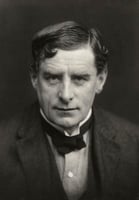
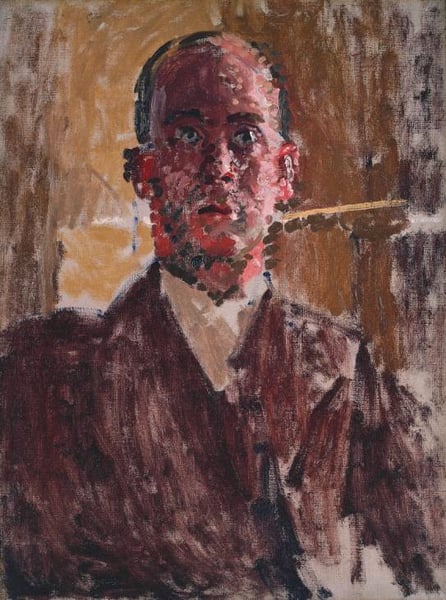
Walter Sickert's portrait of Harold Gilman is a significant work within the context of British Impressionism. Executed in that style, it captures a fellow leading figure of the Camden Town Group, a circle that revitalized British painting in the early 20th century. The portrait's importance lies in its dual role: as a record of a key artistic friendship and as a demonstration of Sickert's distinctive impressionist technique—marked by muted tonalities, vigorous brushwork, and a psychological directness that elevates the genre beyond mere likeness to a penetrating study of character. This synergy of subject and style makes the painting a touchstone for understanding the intimate, urban-focused sensibility of late British Impressionism.
Visually similar
20 works with related composition and palette
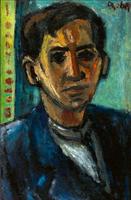
Czóbel Önarckép
Bela Czobel
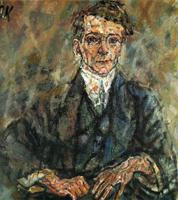
Egon Wellesz
Oskar Kokoschka
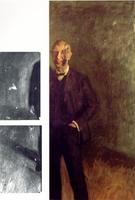
Fragment of a smiling self-portrait at full length
Richard Gerstl
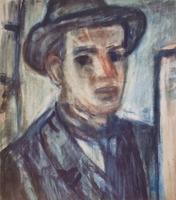
Self Portrait
Bela Czobel
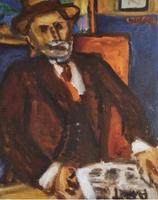
Czóbel Béla. .
Bela Czobel
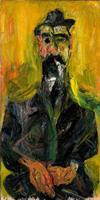
Man with Hat
Chaim Soutine
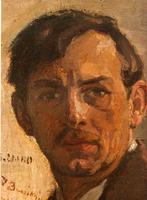
Self Portrait
George Bouzianis
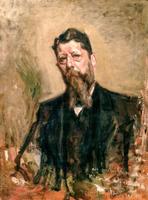
Portrait of the painter Eugenio Scomparini
Umberto Veruda
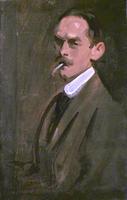
Self Portrait
Samuel Peploe
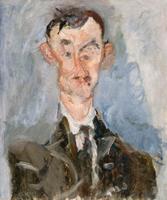
Portrait of Emile Lejeune
Chaim Soutine
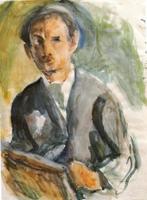
Self Portrait
George Bouzianis
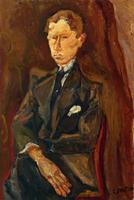
Le Rouquin
Chaim Soutine
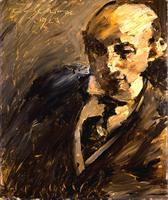
Portrait of Alfred Kuhn
Lovis Corinth
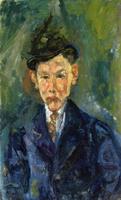
Young Man Wearing a Small Hat
Chaim Soutine
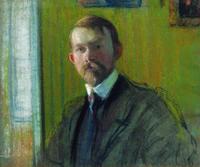
Self Portrait
Boris Kustodiev
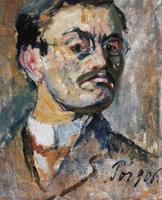
Self-Portrait
Bertalan Por
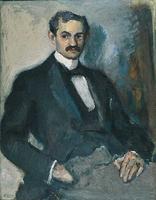
Portrait of a man
George Bouzianis
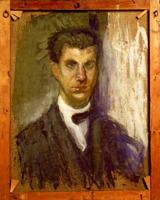
Self-Portrait (Study)
Richard Gerstl
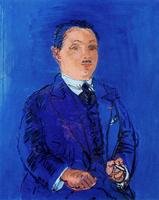
Pierre Geismar
Raoul Dufy
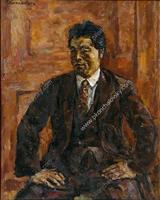
Portrait of Japanese artist Yabe-shan
Pyotr Konchalovsky