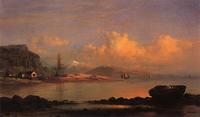
Expert Analysis: "Moonlit Night in St. Petersburg" by Maxim Vorobiev
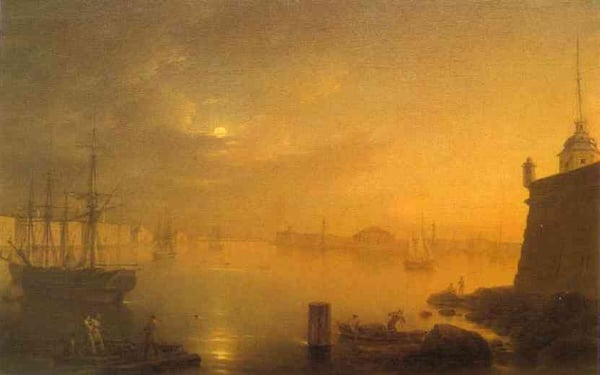
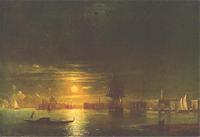
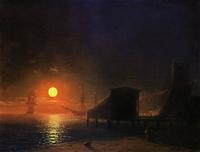
Maxim Vorobiev’s Moonlit Night in St. Petersburg stands as a quintessential example of Romantic cityscape painting, merging the sublime emotional intensity of Romanticism with a masterful rendering of urban architecture. The work is significant for its pioneering synthesis of two seemingly opposed elements: the precise topographical identity of St. Petersburg and the evocative, almost theatrical power of nocturnal light.
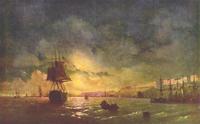
Within the Romantic tradition, the moonlit scene allowed artists to explore mood, transience, and the interplay between human structures and nature’s vastness. Vorobiev elevates this by using the moon as a central compositional and emotional force. The silver-blue glow bathes the Neva River and the silhouettes of palaces and cathedrals, softening their geometric lines into dreamlike forms. This treatment transforms the city from a mere setting into a protagonist of contemplation and quiet drama.
What makes the painting particularly significant is its ability to capture St. Petersburg’s unique "northern" atmosphere—a quality that would influence later Russian landscape painters. Vorobiev avoids the melodramatic excesses of some Romantic contemporaries; instead, he achieves a delicate balance between realism and reverie. The reflection of moonlight on water and the subtle gradations of shadow in the sky demonstrate a technical sophistication that elevates the cityscape genre from documentary to poetic meditation. In doing so, Moonlit Night in St. Petersburg becomes not only a portrait of a city but a window into the Romantic soul’s longing for the transcendent within the everyday.