Expertenanalyse zu Frans Halss Herman Langelius
Stil: Baroque · Genre: portrait
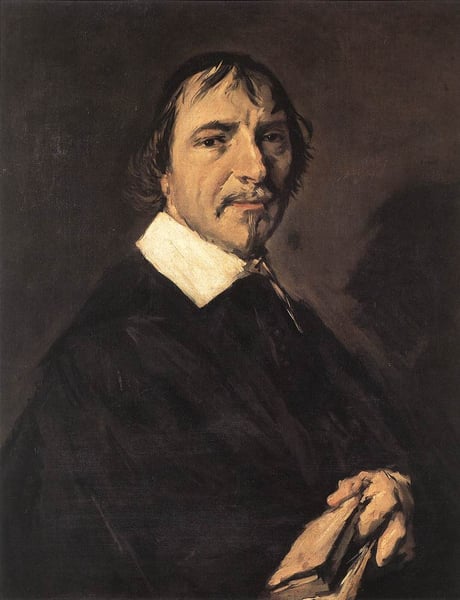
Frans Hals, Portrait of Herman Langelius (c. 1660)
Style: Baroque | Genre: Portrait
Significance within Baroque Portraiture and Frans Hals’ Oeuvre
This portrait exemplifies the Dutch Baroque genius for capturing individual character through dynamic, almost impressionistic brushwork—a hallmark that sets Hals apart from his contemporaries. Painted late in Hals’ career, Herman Langelius demonstrates the artist’s mature mastery of psychological immediacy and textural vitality.
Key Stylistic Achievements:
- Loose, vivacious brushstrokes: Hals renders the minister’s face and elaborate lace collar with swift, broken touches of paint—an exuberant technique that feels spontaneous and alive. This “rough manner” was both a signature and a radical departure from the smooth, polished finish favored by other Dutch portraitists.
- Baroque realism with psychological depth: The sitter’s direct gaze and slight, knowing smile suggest a man of intellect and conviction. Hals does not flatter; he presents Langelius as a living presence, with the furrowed brow and sagging skin of age rendered honestly, yet without caricature.
- Dynamic composition in a restrained format: Unlike many Baroque portraits that rely on dramatic diagonals or grand gestures, Hals achieves energy through contrasts in texture—the soft, dark robe versus the crisp, intricate white ruff—and through the subtle tilt of the head. The dark background isolates the sitter, forcing attention onto the face and hands, which are rendered with the same energetic flicker.
Significance in Art History:
This painting is a prime example of Hals’ contribution to the non-idealized, direct portrait tradition of the Dutch Golden Age. Where Baroque portraiture elsewhere often glorified power or divine right (e.g., Rubens, van Dyck), Hals elevates the middle-class scholar and clergyman to dignified individuality. The work also reflects the Protestant Dutch preference for plainness: the sitter wears no jewelry or pomp, only the sober black and white of his station, yet Hals transforms this simplicity into a study of personality.
In Herman Langelius, we see Baroque energy applied not to dramatic action but to the quiet, forceful character of a man—a reminder that the Baroque spirit can thrive in restrained, intimate scale as powerfully as in grand altarpieces.
Museum / Gallery
Visuell ähnlich
20 Werke mit ähnlicher Komposition und Farbpalette
Portrait of a Man
Frans Hals
Johannes Hoornbeek
Frans Hals
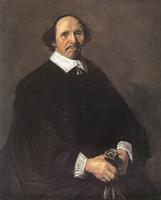
Portrait of a Man
Frans Hals
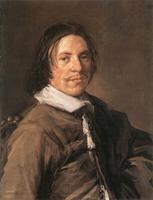
Vincent Laurensz. van der Vinne.
Frans Hals
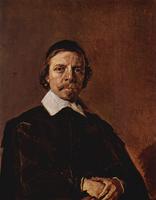
Portrait of a Man, possibly a minister
Frans Hals
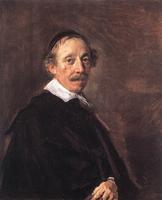
Portrait of a Preacher
Frans Hals
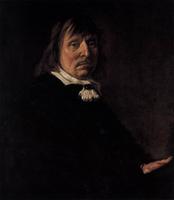
Portrait of Tyman Oosdorp
Frans Hals
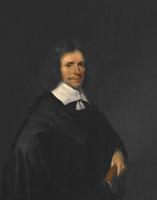
Portrait of a Man
Gerard Terborch
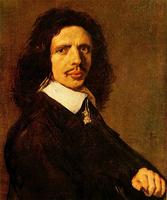
Portrait of a young man
Frans Hals
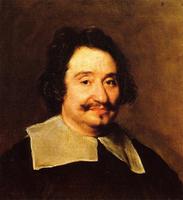
Miguel Angelo, Barber to the Pope
Diego Velazquez
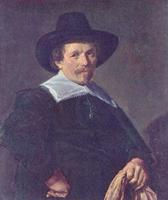
Portrait of a Man holding Gloves
Frans Hals
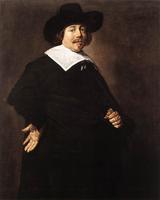
Portrait of a Man
Frans Hals
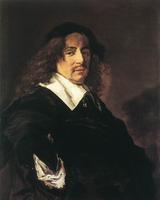
Portrait of a Man
Frans Hals
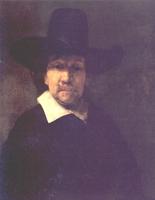
The Poet Jeremia de Decker
Rembrandt
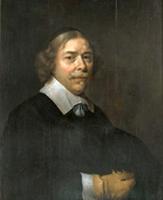
A Man with a Yellow Glove (self portrait)
David Bailly
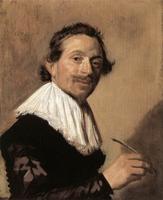
Portrait of Jean de la Chambre at the age of 33
Frans Hals
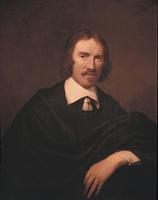
Louis Lemaistre De Sacy
Philippe de Champaigne
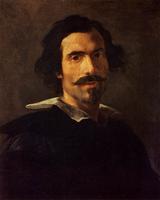
Self-Portrait
Gian Lorenzo Bernini
Edward Nicholas
William Dobson
Portrait of a gentleman, three-quarter-length, in a black costume with a white collar, holding a glove
Thomas de Keyser