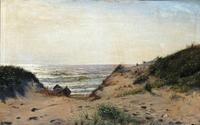
Expert Analysis of “Carmel Dunes” by Guy Rose
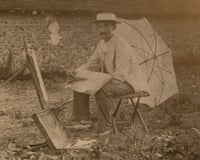
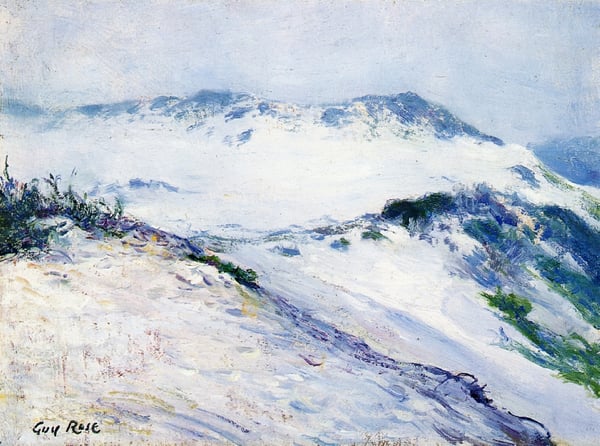
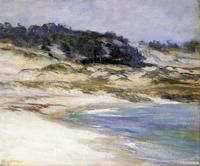
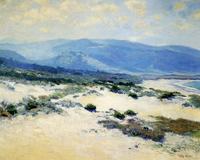
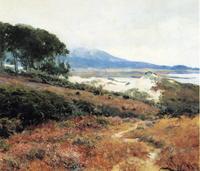
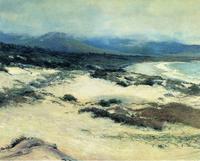
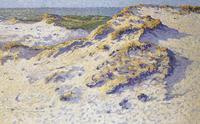
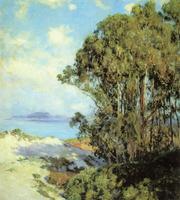
“Carmel Dunes” exemplifies the distinctive fusion of French Impressionist technique with the unique light and landscape of the California coast, marking Guy Rose as a leading figure in American Impressionism. Painted en plein air, the work captures the fleeting effects of sunlight on the dunes of Carmel—a subject that allowed Rose to explore delicate shifts in atmosphere and color, a hallmark of the Impressionist style. The significance of this piece lies in its embodiment of the California Impressionist movement: Rose softens edges and uses a light, airy palette to evoke the hazy, coastal glow, while the composition’s focus on natural, unadorned terrain reflects the regionalist embrace of local geography. Through “Carmel Dunes,” Rose not only demonstrates mastery of Impressionist brushwork and color theory but also contributes to a distinctly American vision of landscape painting, where the wild, luminous beauty of the Pacific shoreline becomes a subject worthy of the same painterly innovation as the French countryside.