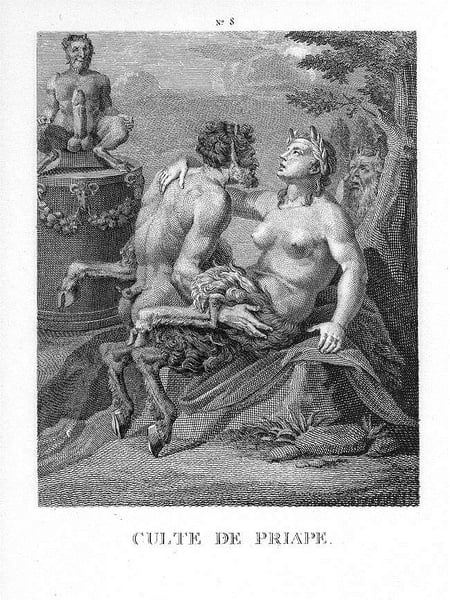
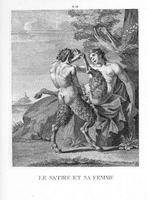
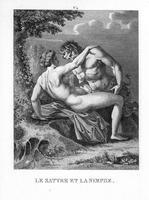
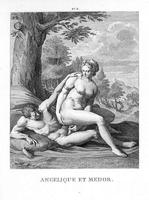
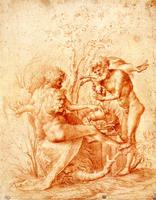
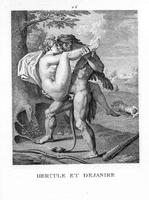
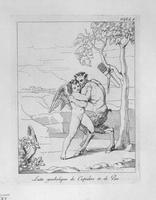
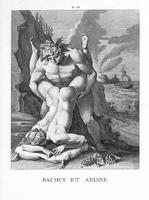
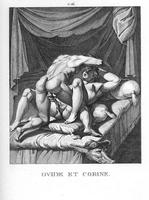
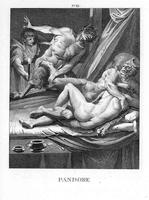
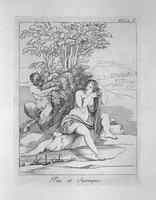
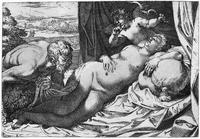
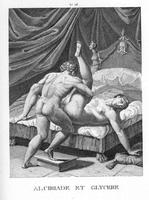
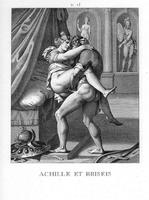
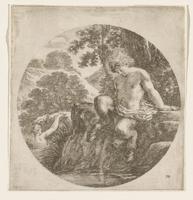
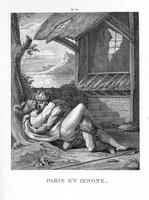
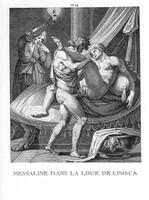
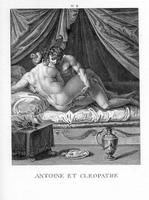
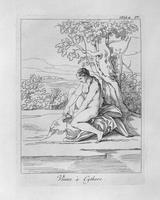
The significance of Agostino Carracci's "Religion of Priapus" lies in its embodiment of the early Baroque shift away from Mannerist artificiality toward a more naturalistic, emotionally engaging approach to mythological subjects. As a key figure in the Carracci reform, Carracci here blends classical erudition with vibrant physicality—the minor fertility god Priapus is depicted with a lively, almost theatrical dynamism that typifies Baroque interest in human sensuality and movement. The work’s mythological genre allows Carracci to demonstrate his mastery of anatomy and drapery while injecting a playful, earthy humor that challenges the decorum of High Renaissance idealism. This painting thus stands as a representative example of how the Carracci school revitalized narrative painting, combining antique sources with a fresh, direct observation of nature, and paving the way for the full Baroque expression of drama and emotion.