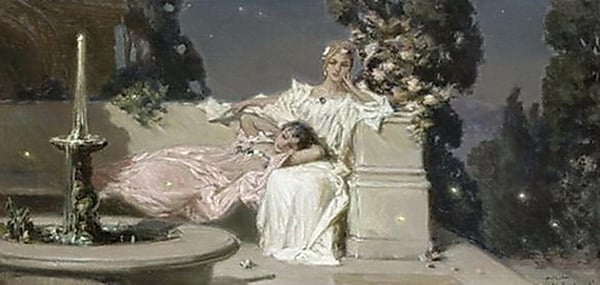
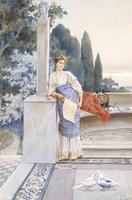
Evening
Analisi esperta di Evening di Wilhelm Kotarbinski
Stile: Art Nouveau (Modern) · Genere: genre painting
Analysis of "Evening" by Wilhelm Kotarbinski
Wilhelm Kotarbinski’s “Evening” exemplifies the synthesis of Art Nouveau’s decorative elegance with the intimate, everyday focus of genre painting. Within the Art Nouveau (Modern) style, this work is significant for its ability to elevate a mundane moment—likely a quiet, domestic or leisurely evening scene—into a harmonious composition defined by sinuous lines, organic motifs, and a mood of lyrical tranquility. Kotarbinski aligns with the movement’s core principle that beauty should permeate all aspects of life, even the ordinary. The genre-painting tradition provides the human narrative, while the Art Nouveau aesthetic imbues it with symbolic resonance and refined decoration, bridging the gap between high art and accessible subject matter. This work thus stands as a key example of how Art Nouveau artists reimagined genre scenes not as mere records of daily life, but as immersive, stylized visions that celebrate the interplay of form, light, and atmosphere.
Visivamente simili
20 opere con composizione e palette affini
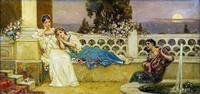
Evening on the Terrace
Wilhelm Kotarbinski
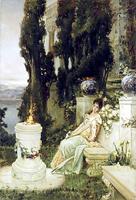
A Lady on a Marble Bench in Ancient Rome
Wilhelm Kotarbinski
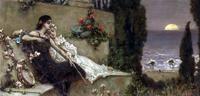
Resting by the Shore
Wilhelm Kotarbinski
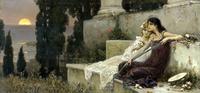
Evening Silence
Wilhelm Kotarbinski
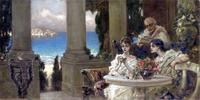
On the Terrace
Wilhelm Kotarbinski
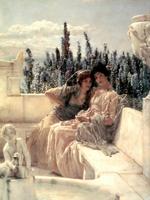
Whispering Noon
Sir Lawrence Alma-Tadema
Thou Rose of all the Roses
Sir Lawrence Alma-Tadema
Afternoon Silence
Wilhelm Kotarbinski
Roman Beauty with Doves
Wilhelm Kotarbinski
Confidences
Sir Lawrence Alma-Tadema
Classical-style mother and daughter on a terrace near the sea
Hermann Schneider

An Autumn Idyll
Francis Davis Millet
The Idyll
Henryk Siemiradzki
Two Beauties
Wilhelm Kotarbinski
A Difference of Opinion
Sir Lawrence Alma-Tadema
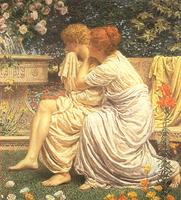
An Idyll
Albert Joseph Moore
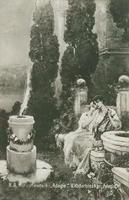
Adagio
Wilhelm Kotarbinski
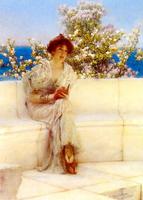
The Year s at the Spring. All s Right with the World
Sir Lawrence Alma-Tadema
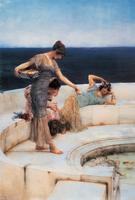
Silver Favourites
Sir Lawrence Alma-Tadema
Scene from antiquity
Enrico Nardi