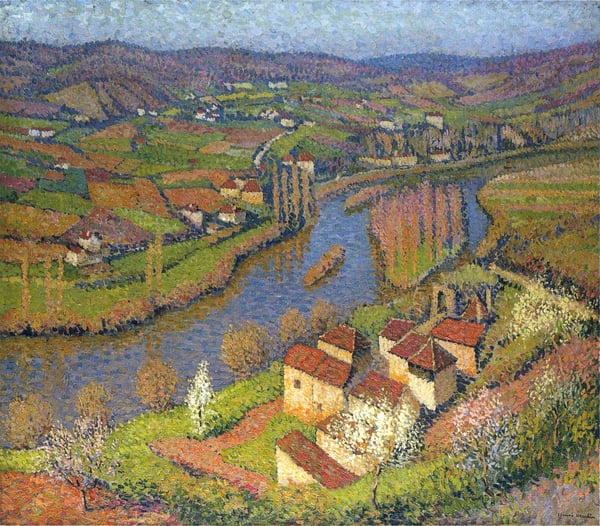
The Lot at St. Cirq-Lapopie
Expert analysis of Henri Martin’s The Lot at St. Cirq-Lapopie
Style: Divisionism · Genre: landscape
Expert Art Historical Analysis: "The Lot at St. Cirq-Lapopie" by Henri Martin
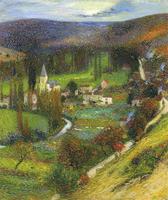
Henri Martin’s The Lot at St. Cirq-Lapopie is a compelling example of Divisionist landscape painting, executed in the late 19th or early 20th century. The work’s significance lies in Martin’s masterful application of Divisionist principles—the systematic use of small, distinct touches of pure color that optically blend to create luminosity and form—while simultaneously infusing the scene with a lyrical, almost dreamlike serenity that sets him apart from stricter Neo-Impressionists like Seurat.
Context and Technique:
Martin was a leading figure in the French Divisionist movement, but he developed a more personal, decorative variant of the technique. In this landscape, he depicts the ancient hilltop village of St. Cirq-Lapopie perched above the Lot River in southwestern France. Instead of rigid pointillist dots, Martin uses short, feathery brushstrokes of unmixed pigments—emerald greens, sapphire blues, warm ochres, and violet shadows—that dance across the canvas. This approach captures the shimmering Mediterranean light and the subtle atmospheric effects of the river valley, making the air itself feel palpable.
Significance:
- Harmony of Technique and Subject: The Divisionist method is ideally suited to the subject. The broken color mimics the flickering light on water and foliage, while the vertical strokes for the cliffside and the soft, overlapping dabs for the sky create a rhythmic texture that echoes the natural topography. Martin avoids the scientific rigidity of Divisionism, instead prioritizing a poetic mood.
- Representation of a Sacred Landscape: St. Cirq-Lapopie was a favorite motif for many artists, but Martin’s rendition is distinctive for its synthesis of panoramic vista and intimate, decorative surface. The composition balances the dark mass of the cliff and village against the luminous, reflected light in the river, emphasizing the timeless, almost mystical quality of this medieval site.
- Contribution to Post-Impressionism: Martin’s work bridges the analytical color theory of Divisionism with the emotive, symbolist tendencies of the fin de siècle. The Lot at St. Cirq-Lapopie demonstrates how Divisionism could be softened to express a personal, spiritual connection to nature, influencing later Fauve and Expressionist uses of color.
In sum, this painting is significant not only as a technical achievement of Divisionist landscape painting but also as a testament to Martin’s ability to transform a specific geographic location into a luminous, contemplative vision—one where color and light become the true subjects.
Visually similar
20 works with related composition and palette
The Campaign
Henri Martin
Cote du Galet, at Pontoise
Paul Cezanne
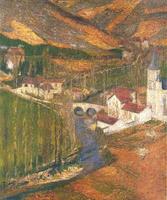
Labastide du vert
Henri Martin
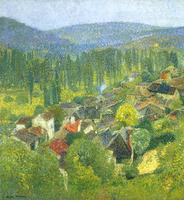
Labastide du Vert
Henri Martin
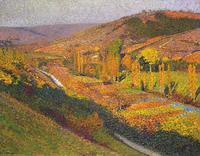
Valley in Labastide du Vert
Henri Martin
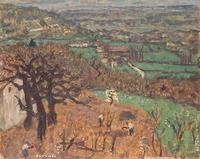
Dauphine Landscape
Pierre Bonnard
Labastide du Vert
Henri Martin
Labastide du Vert
Henri Martin
Labastide in Spring behind the Presbytere
Henri Martin
View of Labastide du Vert below Marquayrol
Henri Martin
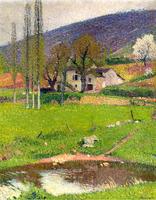
Landscape near Toulouse
Henri Martin
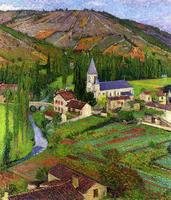
The Church at Labastide
Henri Martin
View of the Labastide du Vert below to Marquayrol
Henri Martin
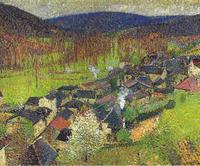
View of Labastide du Vert
Henri Martin
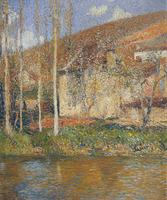
The House on Water
Henri Martin
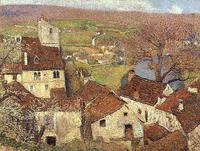
The Cirque
Henri Martin
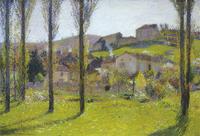
Labastide du Vert
Henri Martin
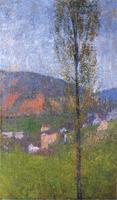
Labastide du Vert
Henri Martin
Labastide du Vert - Morning Effect
Henri Martin
The Lot in Crue
Henri Martin