Expert analysis of Kurt Schwitters’s something or other
Style: Dada · Genre: abstract
Expert Analysis: "something or other" by Kurt Schwitters
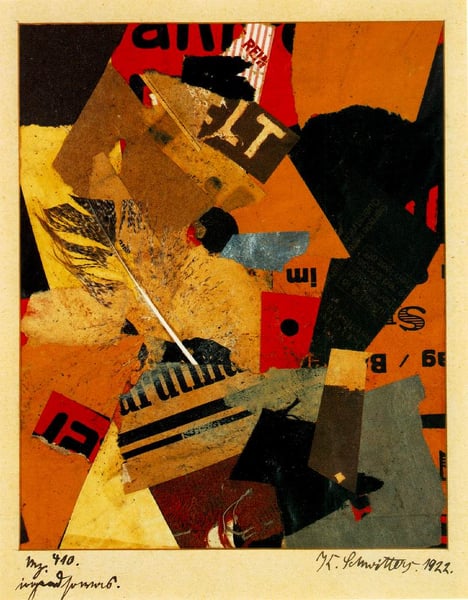
Kurt Schwitters’ something or other exemplifies the radical, anti-aesthetic principles of Dada, while also showcasing his unique contribution to the movement: Merz. Dada emerged in the wake of World War I as a nihilistic rejection of traditional art, logic, and bourgeois culture. Schwitters, however, infused Dada’s provocative spirit with a distinctly personal and poetic approach to abstraction.
Significance within Dada and Abstract Art:
-
Merz as a Found-Object Aesthetic – Schwitters coined the term Merz (derived from a fragment of the word Kommerz in a collage) to describe his technique of incorporating discarded, everyday materials—ticket stubs, newspaper clippings, string, wood scraps—into the composition. something or other likely employs such humble, non-art materials, elevating trash to the realm of fine art. This radical act challenged the very definition of art, anticipating later movements like Pop Art and installation art.
-
Rejection of Meaning – The deliberately vague title, something or other, underscores Dada’s mockery of artistic pretension. Unlike traditional abstract works that sought harmony or spiritual depth (e.g., Kandinsky), Schwitters here embraces randomness, fragmentation, and the absurd. The composition likely lacks a central focal point, mirroring the chaos of modern life and the collapse of conventional order after the war.
-
Pioneering Abstract Assemblage – While other Dadaists (e.g., Marcel Duchamp with readymades) focused on single objects, Schwitters built layered, abstract surfaces from multiple fragments. In something or other, the interplay of textures (rough paper, string, printed text) creates a rhythmic, tactile abstract field. This approach directly influenced later artists such as Robert Rauschenberg (combines) and Anselm Kiefer (mixed-media works).
-
The Fragment as a Mirror of Modernity – Schwitters saw his collages as a kind of visual poetry, where broken pieces of language and imagery reflected the fractured urban environment of the 1920s. something or other is not merely decorative but a critical document of its time—a snapshot of a world where communication and meaning have become fragmented.
In essence, something or other is significant not for any representational content, but for its methodological revolution: it collapses the boundary between art and life, between the precious and the banal. Schwitters’ abstract Merz works remain a cornerstone of 20th-century avant-garde practice, proving that anything—even “something or other”—can become art.
Visually similar
20 works with related composition and palette
Heaven and Earth
Ervin Tamas
Forms in Space
Kurt Schwitters
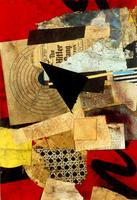
Hitler Gang
Kurt Schwitters
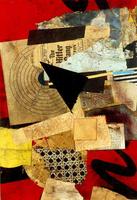
Hitler
Jean Arp
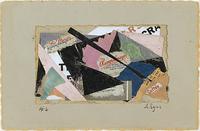
Number 6: "Rumpelmayer"
Anne Ryan
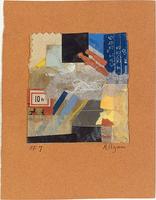
Number 7
Anne Ryan
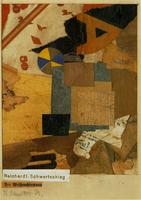
Santa Claus
Kurt Schwitters
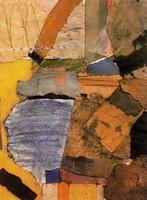
not detected
Tom Wesselmann
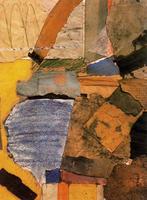
not detected
Tom Wesselmann
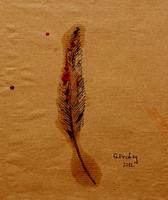
Feather 1
Gazmend Freitag
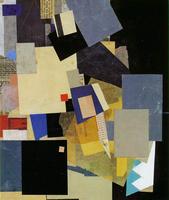
(Elikan)
Kurt Schwitters
Collage
Andre-Pierre Arnal
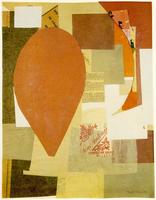
(Pino Antoni)
Kurt Schwitters
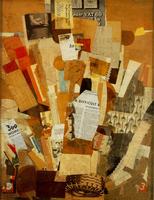
(Difficult)
Kurt Schwitters
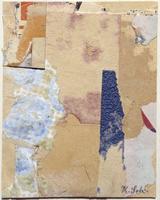
Aphorism
Kurt Schwitters
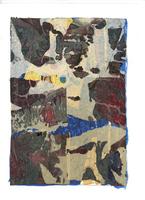
Collage
Andre-Pierre Arnal
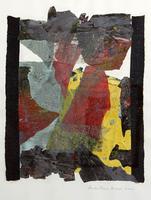
Collage
Andre-Pierre Arnal
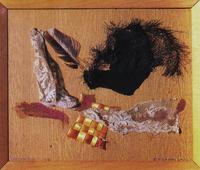
Béguinage
Enrico Prampolini
Spaces
Geta Bratescu
Untitled (No. 10)
Anne Ryan