Expert analysis of Shozo Shimamoto’s Nyotaku-Bottle Crash
Style: Tachisme · Genre: abstract
Analysis of "Nyotaku-Bottle Crash" by Shozo Shimamoto
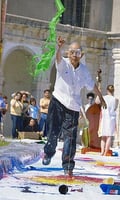
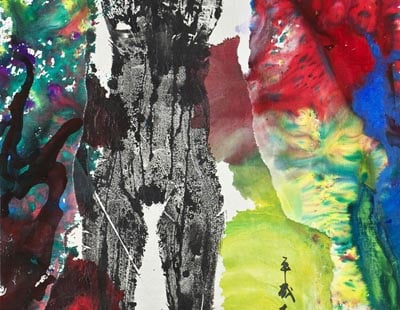
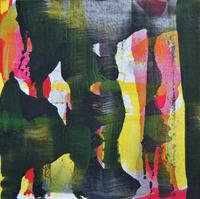
As a work of Tachisme—a post-war abstract style characterized by spontaneous, gestural marks and the physicality of paint application—"Nyotaku-Bottle Crash" exemplifies the movement’s core principles. The title itself suggests an action-oriented process: the “crash” of a bottle, likely used to hurl or splatter pigment onto the canvas. This method aligns with Tachisme’s rejection of premeditated composition in favor of raw, improvisational energy.
The piece’s significance lies in how it distills the Tachiste aesthetic to its essence: abstract forms born from impulsive, tactile gestures. By invoking a “bottle crash,” Shimamoto emphasizes the material and performative aspects of painting, where the act of destruction becomes a creative force. The result is a composition that prioritizes visceral impact over narrative or representation, marking a deliberate break from traditional artistic control.
Within the broader Tachiste movement, "Nyotaku-Bottle Crash" stands as a concentrated example of how abstraction can emerge from direct, unmediated action—making it a key statement of Shimamoto’s commitment to the style’s ideals of freedom, spontaneity, and the primacy of the artistic gesture.
Visually similar
20 works with related composition and palette
The Fairy of the Colours
George Stefanescu
Two Figures
Salvador Dali
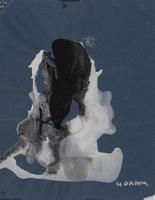
Untitled
Helen Dahm
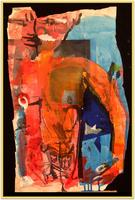
Nipple Ring
David Michael Hinnebusch
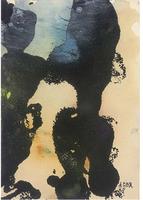
Surreal Figures
Eileen Agar
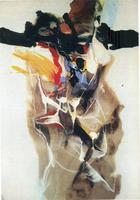
Phenomena High Octane
Paul Jenkins
Nude Without Violin
Oleh Sokolov
Untitled
Iman Shaggag
Nu
Aurel Cojan
Untitled (Muchas Gracias por las Insiables)
Julian Schnabel
Kleurstudie
Jacoba van Heemskerck
Landscape at Stanton Street
Willem de Kooning
G-3
Emil Schumacher
A. 1281
Maurice Esteve
A. 1281
Maurice Esteve
IMG 0028
HANS-WERNHER E.K. GAMBS
The New Paradox
Anton Heyboer
Substance 4
Rodrigo Franzao
"Straight-Line"
Roger Weik
Gc-17
Emil Schumacher