
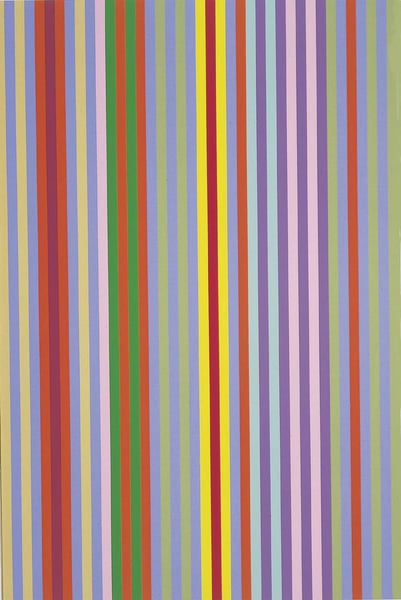
Gene Davis の Sweet Carburetor の専門的な分析
スタイル:Color Field Painting · ジャンル:abstract
Expert Analysis of "Sweet Carburetor" by Gene Davis
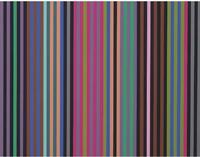
Gene Davis’s Sweet Carburetor stands as a quintessential example of Color Field painting, a movement that emerged in the mid-20th century as a radical departure from gestural abstraction. Working within the Washington Color School, Davis became renowned for his signature stripe paintings—repeating vertical bands of unmodulated color that span the canvas from edge to edge.
Significance within Color Field Painting
Sweet Carburetor exemplifies the movement’s core tenets: the primacy of pure color, the rejection of illusionistic depth, and the flattening of the picture plane. Davis’s stripes are precisely aligned, with no visible brushwork or texture, forcing the viewer to engage directly with the physical properties of hue, value, and saturation. The title, with its playful juxtaposition of mechanical (“carburetor”) and sensory (“sweet”), hints at the artist’s interest in transforming industrial imagery into a purely optical experience—color as its own subject.
Key Visual and Conceptual Features
- Rhythm and Repetition: The painting’s structure relies on a steady, almost musical beat of vertical stripes. Varying widths and intervals create a subtle syncopation, generating a pulsating energy that animates the entire field.
- Optical Afterimages: The high-key colors (often including bright pinks, yellows, blues, and greens) interact aggressively at the edges, causing the stripes to seem to vibrate or advance and recede. This effect, central to Color Field practice, makes the painting feel alive and immersive.
- Scale and Presence: Though dimensions of the specific work may vary, Davis typically worked on a large scale, enveloping the viewer’s peripheral vision. The stripes run unbroken from top to bottom, reinforcing the idea of the canvas as a unified, indivisible color surface.
Why It Matters
Sweet Carburetor is significant because it pushes Color Field’s democratic, anti-hierarchical approach to its logical extreme: no single stripe is more important than another, just as no part of the canvas commands more attention than the rest. Davis’s systematic use of stripes became a powerful vehicle for exploring color relationships without narrative or symbolism. In doing so, he helped define the Washington Color School’s contribution to postwar American abstraction, proving that pure, uninflected color could generate as much emotional and visual intensity as any figurative or expressionist work.
視覚的に類似
構図やパレットが近い作品 20 件
Zebra
Gene Davis
Apricot Ripple
Gene Davis
Powwow
Gene Davis
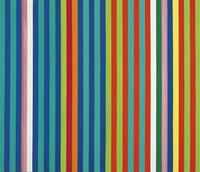
Orange Twitter
Gene Davis
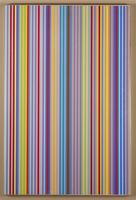
Battle for Grownups
Gene Davis
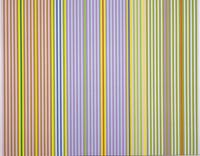
Ianthe
Gene Davis
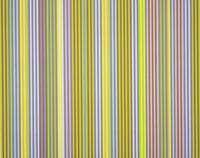
Black Popcorn
Gene Davis
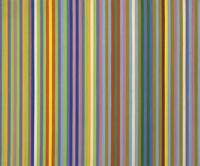
Lemon Ice
Gene Davis
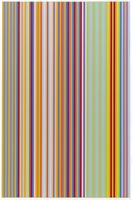
Graf Zeppelin
Gene Davis
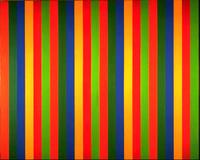
Mutation serielle verte-rouge
Guido Molinari
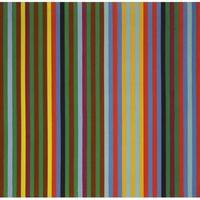
Circus Sounds
Gene Davis
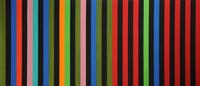
Firebox
Gene Davis
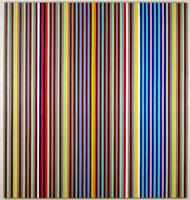
Untitled (P280)
Gene Davis
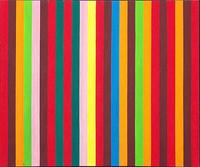
Sour Ball Beat
Gene Davis
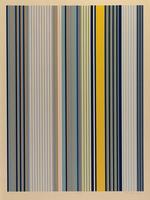
Signal
Gene Davis
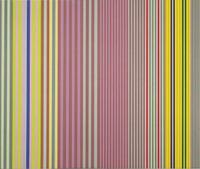
Halifax
Gene Davis
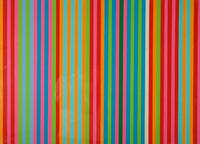
Passion Flower
Gene Davis
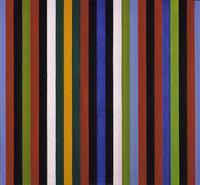
Hot Beat
Gene Davis
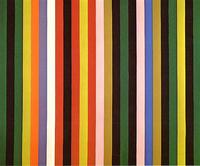
Ferris Wheel
Gene Davis
King Kong
Gene Davis