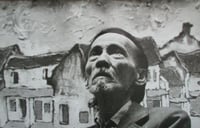
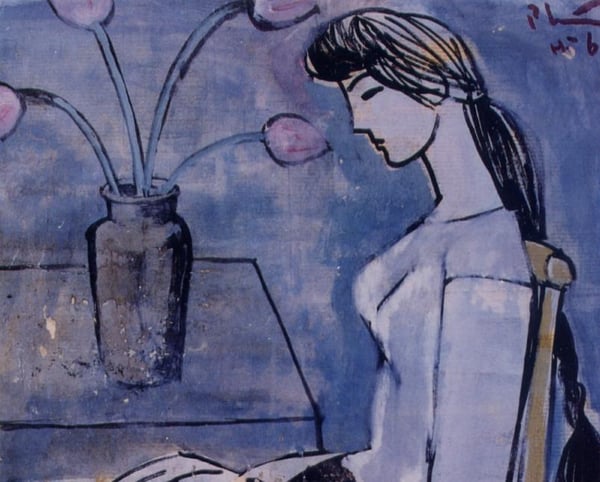
Portrait
Analyse experte de Portrait de Bui Xuan Phai
Style : Expressionism · Genre : portrait
Expert Analysis: "Portrait" by Bui Xuan Phai
Bui Xuan Phai’s Portrait stands as a compelling testament to the artist’s ability to infuse the international language of Expressionism with a distinctly Vietnamese sensibility. Although the sitter’s identity is not specified here, the work is significant for how it transforms portraiture from mere physical likeness into a vehicle for psychological depth and emotional resonance.
What makes this artwork significant within its style and period:
-
Synthesis of Expressionism and Vietnamese Modernism: Phai is celebrated as a pioneer of modern Vietnamese art, and this portrait exemplifies his rejection of academic naturalism in favor of expressive distortion. The brushwork is likely vigorous and the color palette muted yet emotionally charged—trademarks of his style during the post-war period. By applying Expressionist principles to a Vietnamese subject, Phai created a visual language that was both universally modern and deeply rooted in local identity.
-
Emphasis on Interiority over Idealization: Unlike traditional Vietnamese portraits that often emphasized decorum or social status, Phai’s approach channels the raw, subjective experience of the sitter. The face may appear slightly distorted, with exaggerated features or somber tones, reflecting not just the individual’s mood but the broader existential weight of a generation shaped by war, displacement, and rapid change. This aligns Expressionism with the humanist concerns of mid-20th-century Vietnamese art.
-
Contribution to the "Phai School" and Cultural Memory: Bui Xuan Phai is best known for his paintings of Hanoi’s Old Quarter, but his portraits are equally crucial. They offer intimate counterpoints to his cityscapes, capturing the resilient spirit of ordinary people. This Portrait likely carries the same gritty, lyrical quality that defines his œuvre—favoring emotional truth over technical polish. In the context of Vietnamese art history, it represents a bridge between traditional folk influences and Western modernism, earning Phai a place as one of the country’s most revered expressionist painters.
Ultimately, Portrait is significant not only for its expressionist vitality but for its role in defining a uniquely Vietnamese modern aesthetic—one that values personal emotion, cultural memory, and the quiet dignity of the human face.
Genre
Style
Visuellement similaire
20 œuvres à la composition et à la palette proches
Girl in Blue
Amedeo Modigliani
Anna Margit, Délutáni Tea Mellett
Anna Margit
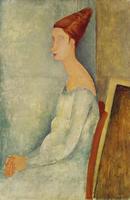
Portrait of Jeanne Hebuterne
Amedeo Modigliani
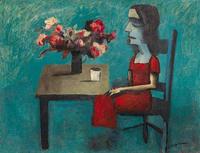
Barbara at the Table
Charles Blackman
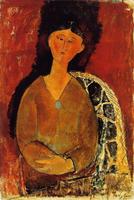
Beatrice Hastings, Seated
Amedeo Modigliani
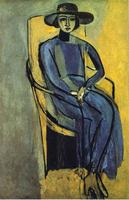
Portrait of Greta Prozor
Henri Matisse
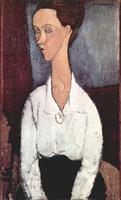
Portrait of Lunia Czechowska in white blouse
Amedeo Modigliani
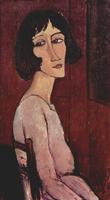
Portrait of Margarita
Amedeo Modigliani
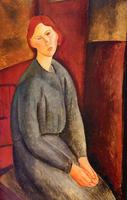
Annie Bjarne
Amedeo Modigliani
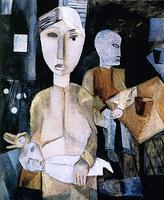
Armut
Lasar Segall
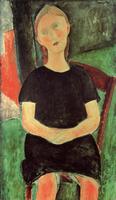
Seated Young Woman
Amedeo Modigliani
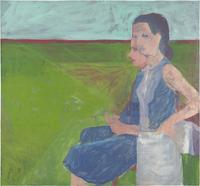
Women Outside
Richard Diebenkorn
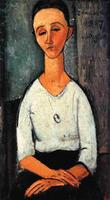
Chakoska
Amedeo Modigliani
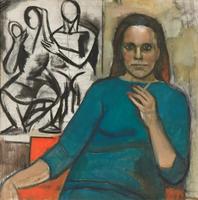
Poet Vizma Belsevica
Biruta Baumane
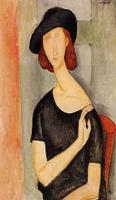
Jeanne Hebuterne in a Hat
Amedeo Modigliani
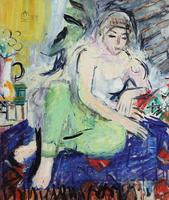
Odalisque in Green Shalwars
Alexandru Ciucurencu
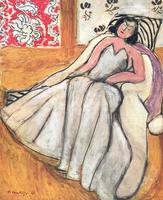
Girl with a Fur Coat
Henri Matisse
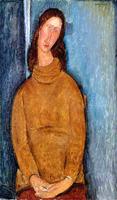
Jeanne Hebuterne in a Yellow Jumper
Amedeo Modigliani
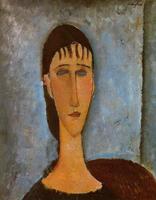
Portrait of a Young Girl
Amedeo Modigliani
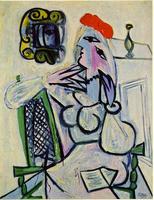
Woman with red hat
Pablo Picasso