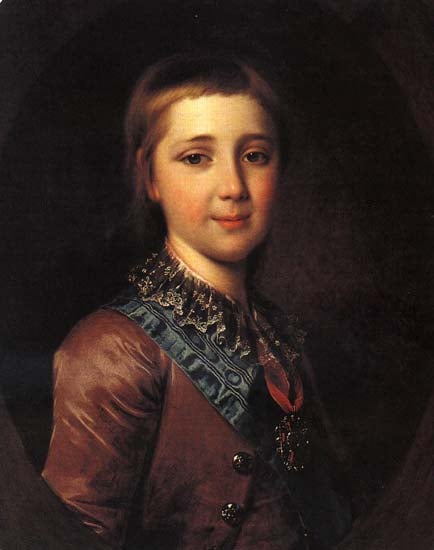
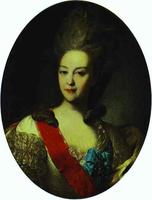
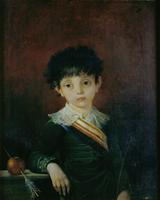
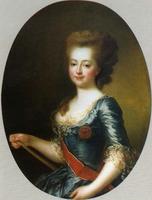
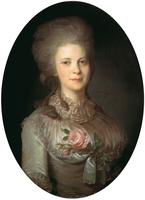
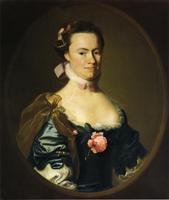
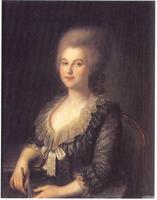
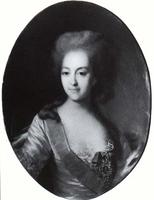
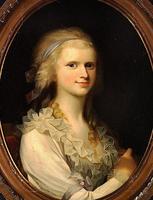
This portrait of Alexander I, as a child by Dmitry Levitzky is a significant example of Rococo portraiture. The work’s importance lies in how it adapts the quintessential Rococo ideals of grace, delicacy, and decorative charm to the genre of the royal childhood portrait. Levitzky captures the future emperor not as a formal statesman but as a tender, aristocratic child, emphasizing the Rococo fascination with innocence, playfulness, and the private, intimate sphere of court life. The soft, pastel-like handling of light and the refined, curvilinear composition—typical of Rococo elegance—elevate the subject’s youthful features while conveying the lightness and airy sophistication that define the period. By focusing on the child’s poised yet affectionate expression, Levitzky merges the portrait’s didactic function of dynastic representation with the Rococo’s pursuit of sensual beauty and psychological intimacy, marking a departure from the more rigid grandeur of Baroque state portraiture.