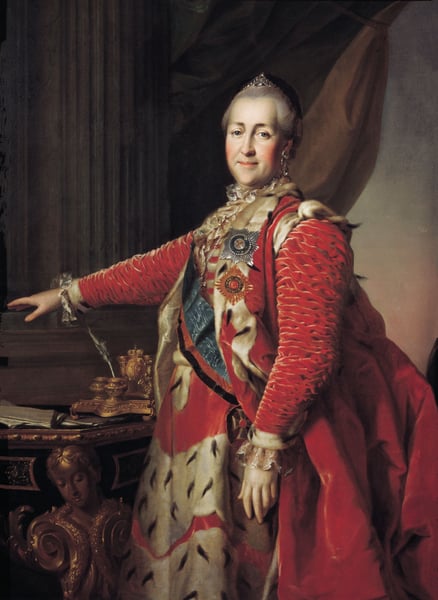
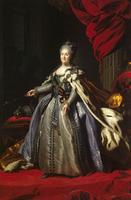
Based solely on the provided structured facts, the significance of Dmitry Levitzky’s Portrait of Catherine II lies in its embodiment of Neoclassical ideals within the portrait genre. As a Neoclassical work, the portrait likely emphasizes clarity, order, and restrained grandeur—qualities that elevate the sitter from mere individual likeness to an emblem of enlightened rule and civic virtue. The genre of portraiture here serves not only to record appearance but to construct a public image of authority and reason, aligning Catherine II with the classical values of wisdom, power, and stability. Levitzky’s treatment, within this style, would transform the portrait into a symbol of state and cultural prestige, making it a significant example of how Neoclassicism redefined royal representation for the modern age.